


There’s a specific kind of loneliness that comes from never seeing yourself reflected anywhere.
Not in the books at school.
Not in the princesses.
Not in the stories teachers read aloud.
Not even in the “multicultural” sections that somehow still skipped over kids like me.
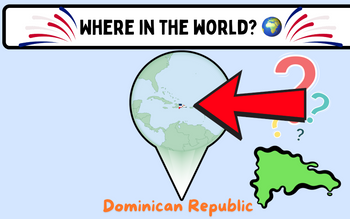
I grew up Dominican American between New York and summers in the Dominican Republic, constantly moving between two worlds that rarely seemed to understand each other. At home, there was Spanish, Spanglish, loud laughter, Dominican sayings, music blasting from the kitchen, and stories passed down almost like folklore. Outside, there was pressure to fit into environments where my name was mispronounced, my culture was reduced to stereotypes, and parts of myself felt easier to hide than explain.
For a long time, I learned how to survive by adapting.
I became the girl who worked hard. The girl who figured things out. The girl who learned how to enter rooms where people didn’t expect her to belong.
What many people don’t know is that before becoming an Executive Director in Corporate America, before publishing books, before building platforms or brands, I worked in a factory. I’ve experienced homelessness. I’ve known what it feels like to wonder whether hard work alone is enough to change your circumstances.
Education became my lifeline.
I pursued degrees in Computer Information Systems, Organizational Leadership, and International Management, earning them with top honors while navigating spaces where I often felt like I had to work twice as hard to be taken seriously. Eventually, I built a career leading large-scale initiatives across technology, people, and product organizations. On paper, it looked like success.
But internally, something still felt unfinished.
Because success without connection can feel strangely empty.
The turning point for me did not happen in a boardroom. It happened after becoming a mother.
One day, I realized my children were growing up in the same gap I had experienced, but in some ways, an even wider one. I at least had summers in the Dominican Republic, Dominican family friends, loud kitchens, familiar accents, and constant reminders of where we came from. My children were growing up with far less of that built into their everyday lives, and I started to fear how easily culture can fade when it is not intentionally preserved.
At the same time, there were still very few bilingual Dominican stories. Very few books where Dominican children could simply exist at the center of magical adventures, bedtime stories, or educational experiences.
I kept thinking: why are our stories always treated like side stories?
Why couldn’t Dominican culture be whimsical? Magical? Tender? Educational? Soft? Fun? Why couldn’t Dominican American children see both sides of themselves reflected at the same time?
So I started writing.
At first, it was deeply personal. Healing, even (thanks PPD).
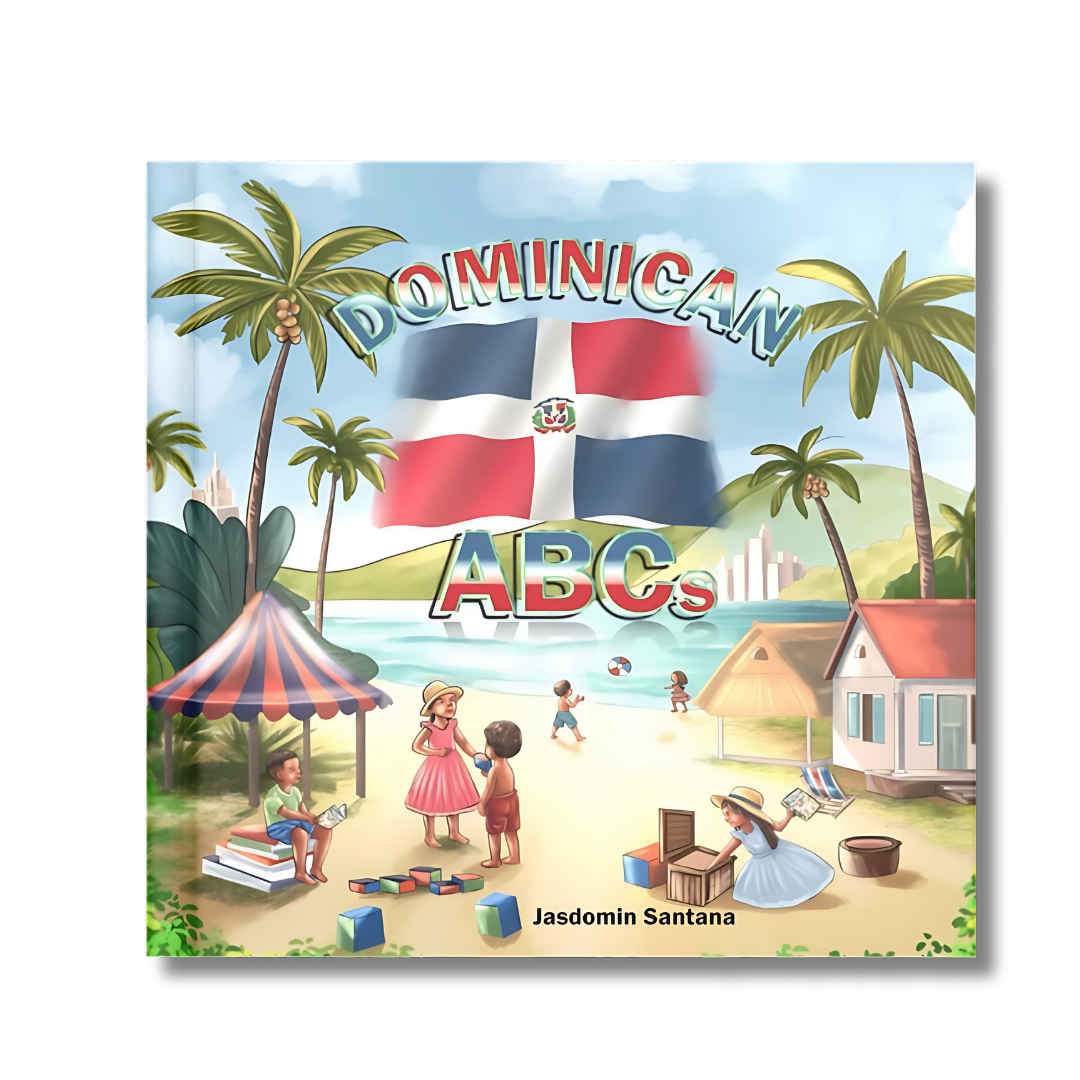
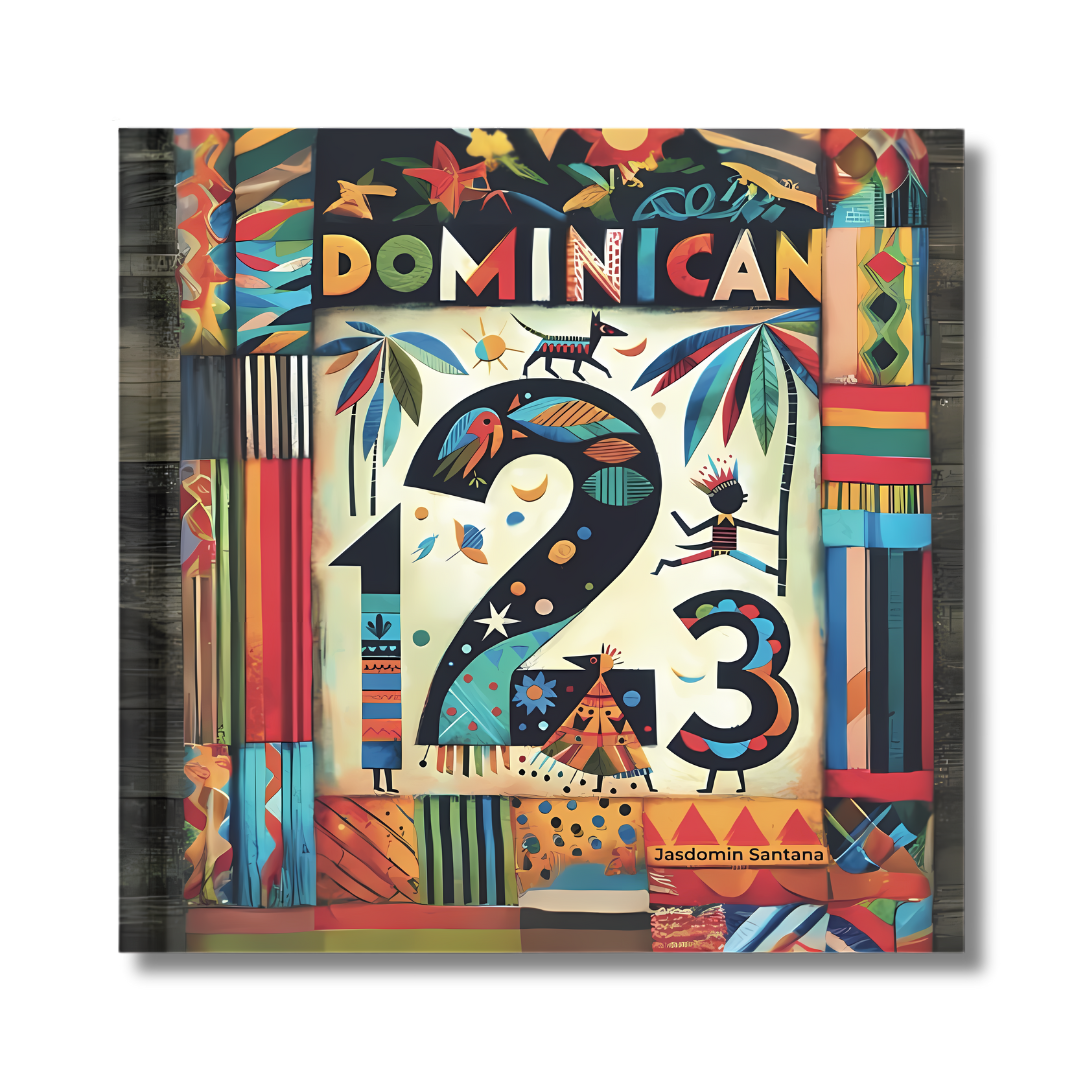
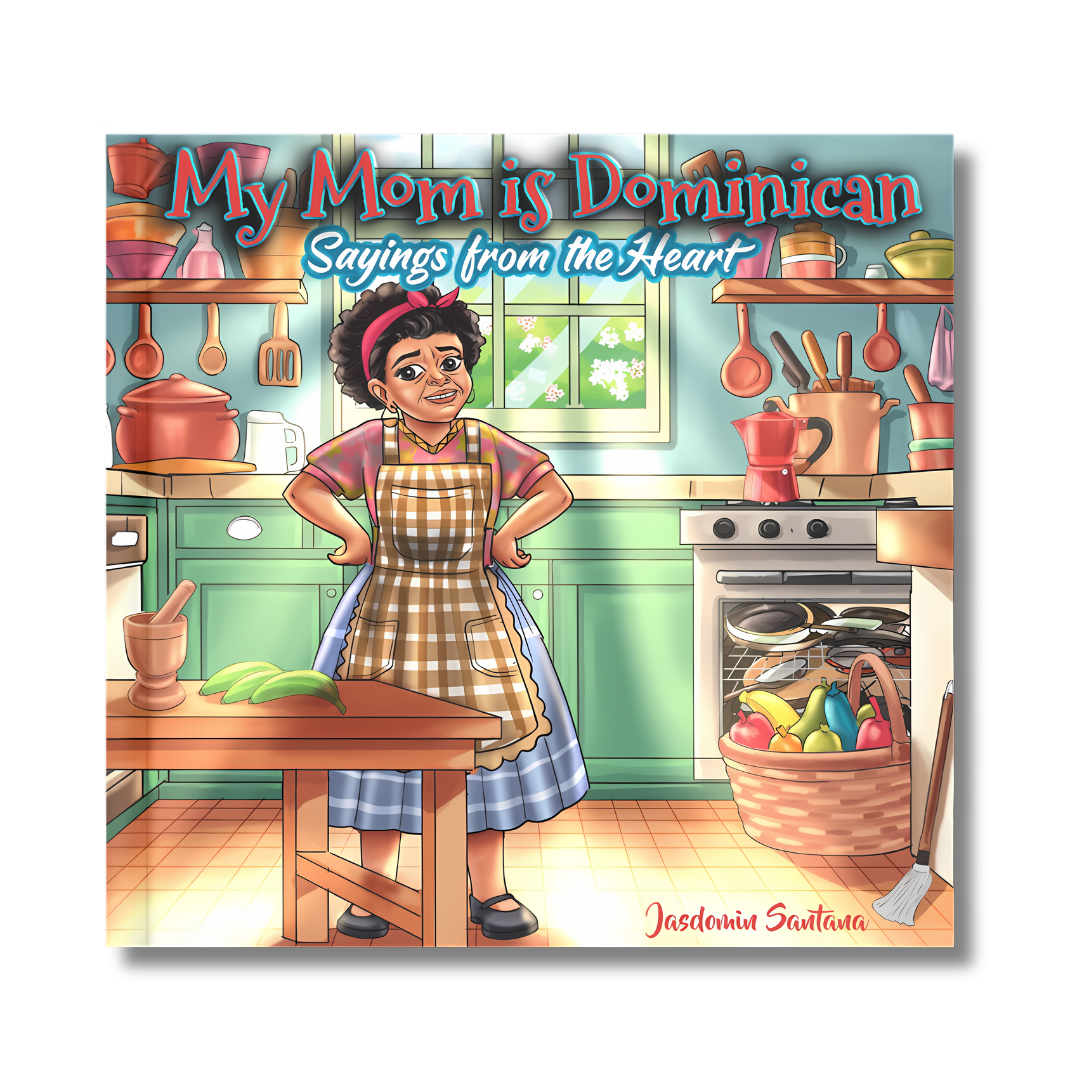
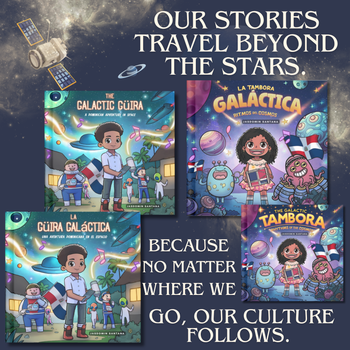
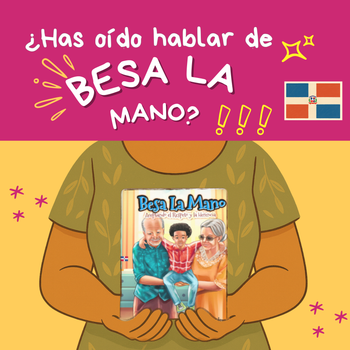
My first books were rooted in the small details many Dominican families instantly recognize: mangú, dichos from Dominican moms, summers in Quisqueya, “besa la mano,” folklore like El Cuco and the Ciguapa, music, food, language, and the emotional complexity of growing up between cultures.
I wasn’t trying to “build a brand.” I was trying to build mirrors.
Mirrors for children who deserved to feel seen earlier than I did.
What surprised me was how many people connected with that mission. Parents began messaging me saying things like, “I wish I had this growing up,” or “My child finally sees themselves in a book.”
That is when I realized representation is emotional infrastructure.
Children absorb messages about their worth long before they can articulate them. The stories they consume shape what they believe is beautiful, valuable, intelligent, and worthy of attention.
And for many communities, especially immigrant communities, there is still a massive visibility gap.
Today, I’ve published over 15 bilingual books centered around Dominican culture, identity, and belonging. I also created Tiny Dominican Explorer, a multimedia platform focused on helping children learn about Dominican culture through storytelling, music, and educational content.
But if I’m honest, the most meaningful part of this journey has not been the numbers, awards, or milestones.
It has been watching people soften when they feel recognized.
Watching a Dominican mother laugh because she recognizes herself in one of my “Dominican mom” sayings.
Watching children proudly pronounce words they once felt embarrassed about.
Watching bilingual kids realize their accent, culture, and family traditions are not obstacles to overcome. They are part of their power.
As women, especially women from underrepresented backgrounds, we are often taught to compartmentalize ourselves in professional spaces. We learn how to become digestible. Professional. Polished. Easy to understand.
But some of the most impactful work happens when we stop separating our lived experiences from our leadership.
For years, I thought my corporate career and my creative work existed in completely separate worlds. Now I understand they are connected by the same mission: creating spaces where people feel seen, valued, and empowered to exist fully.
Whether I’m leading strategic conversations in technology or writing children’s books at night after my kids go to sleep, the heart of the work is still the same.
Building what I once needed.
There is also something important I want women to hear clearly: you do not need permission to begin.
You do not need to feel fully qualified before sharing your voice. You do not need to wait until your story sounds polished enough, impressive enough, or “important” enough.
Sometimes the very thing that makes your voice powerful is the humanity inside it.
The parts that are honest. Messy. Cultural. Emotional. Real.
The world does not need more perfectly curated identities.
It needs more truth.
Especially from women who spent years believing they had to shrink parts of themselves to succeed.
If my journey has taught me anything, it is this:
Your background is not something you overcome.
Your story is not something you hide.
And your voice becomes strongest the moment you stop asking whether it deserves to be heard.
Because somewhere, someone is waiting to finally see themselves in it.

