
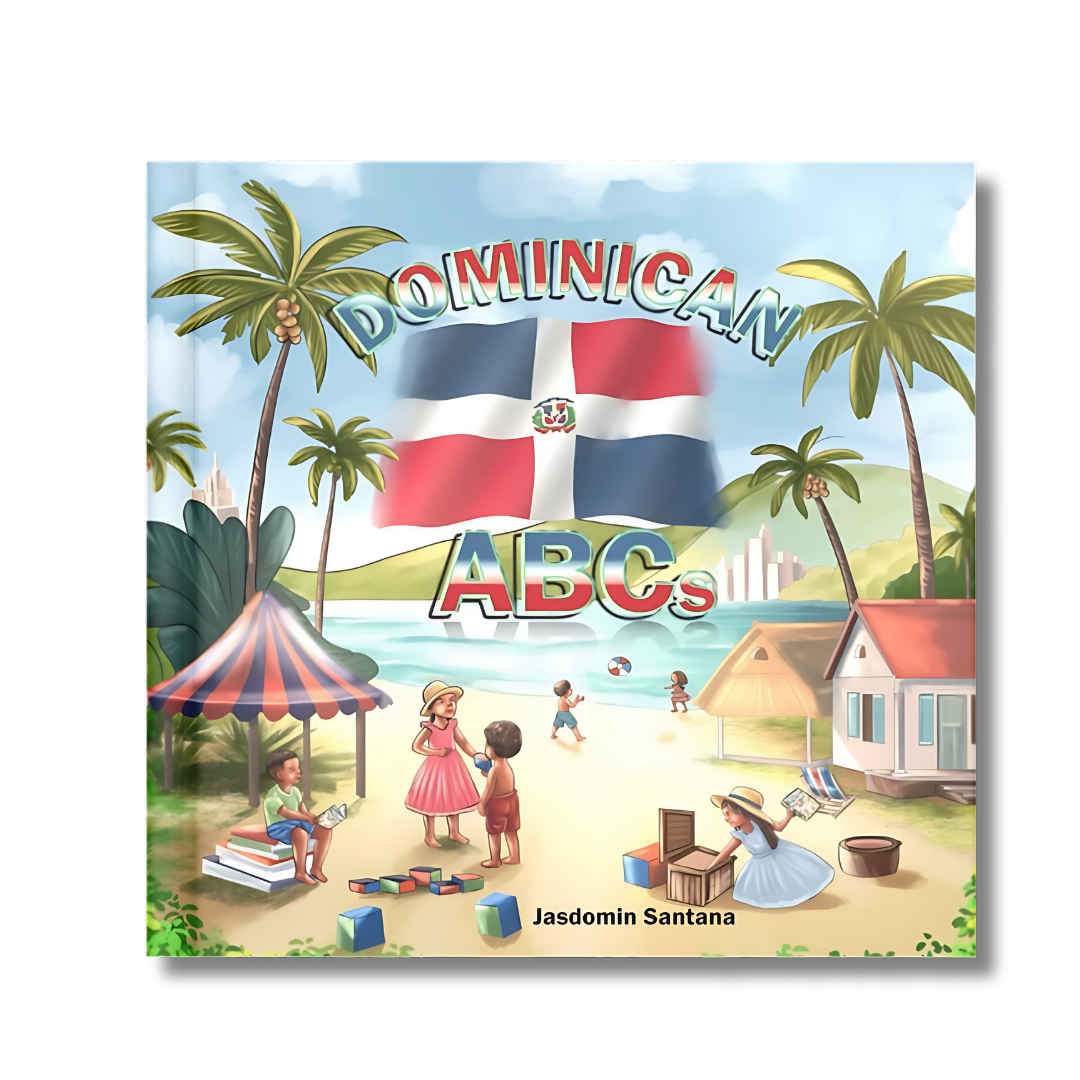
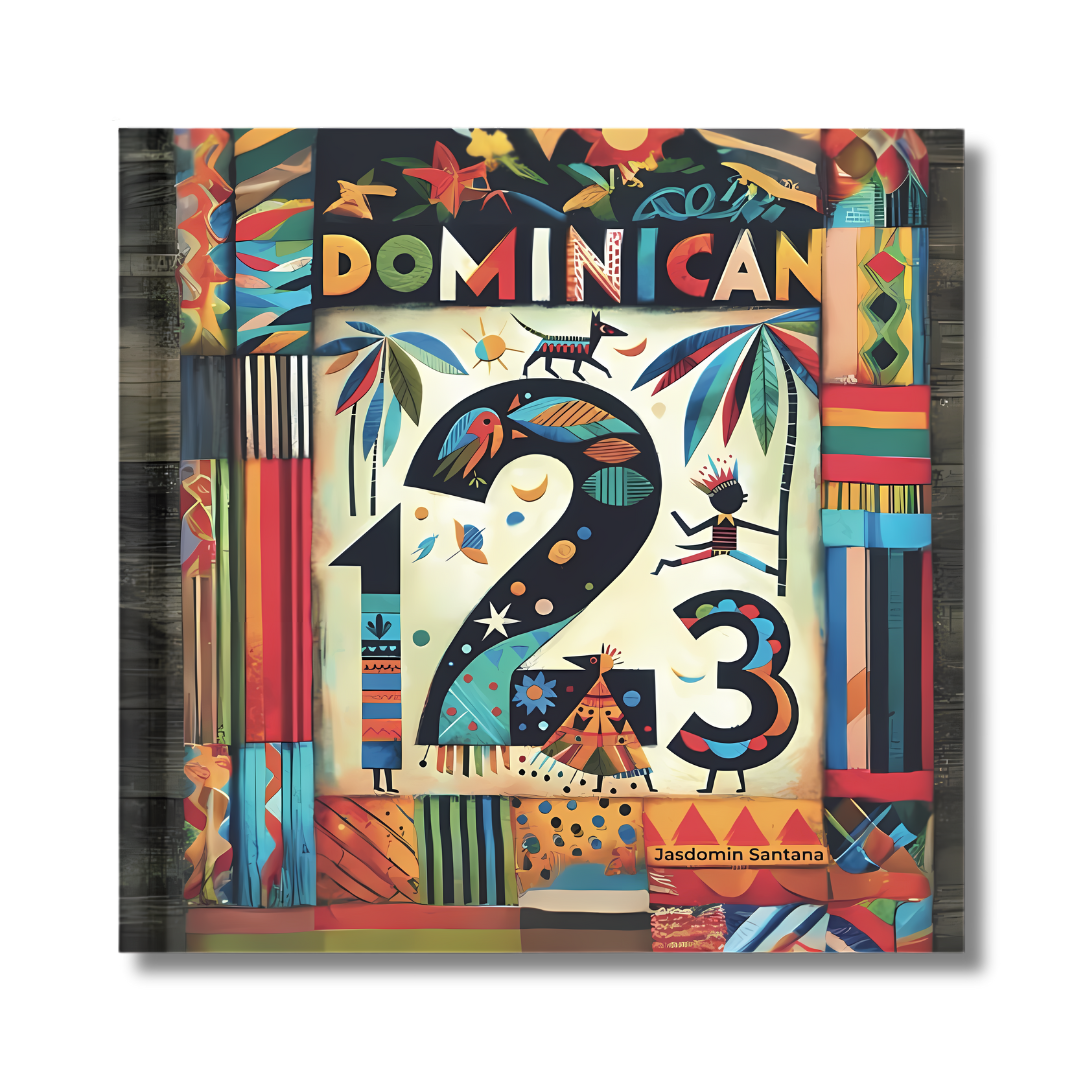
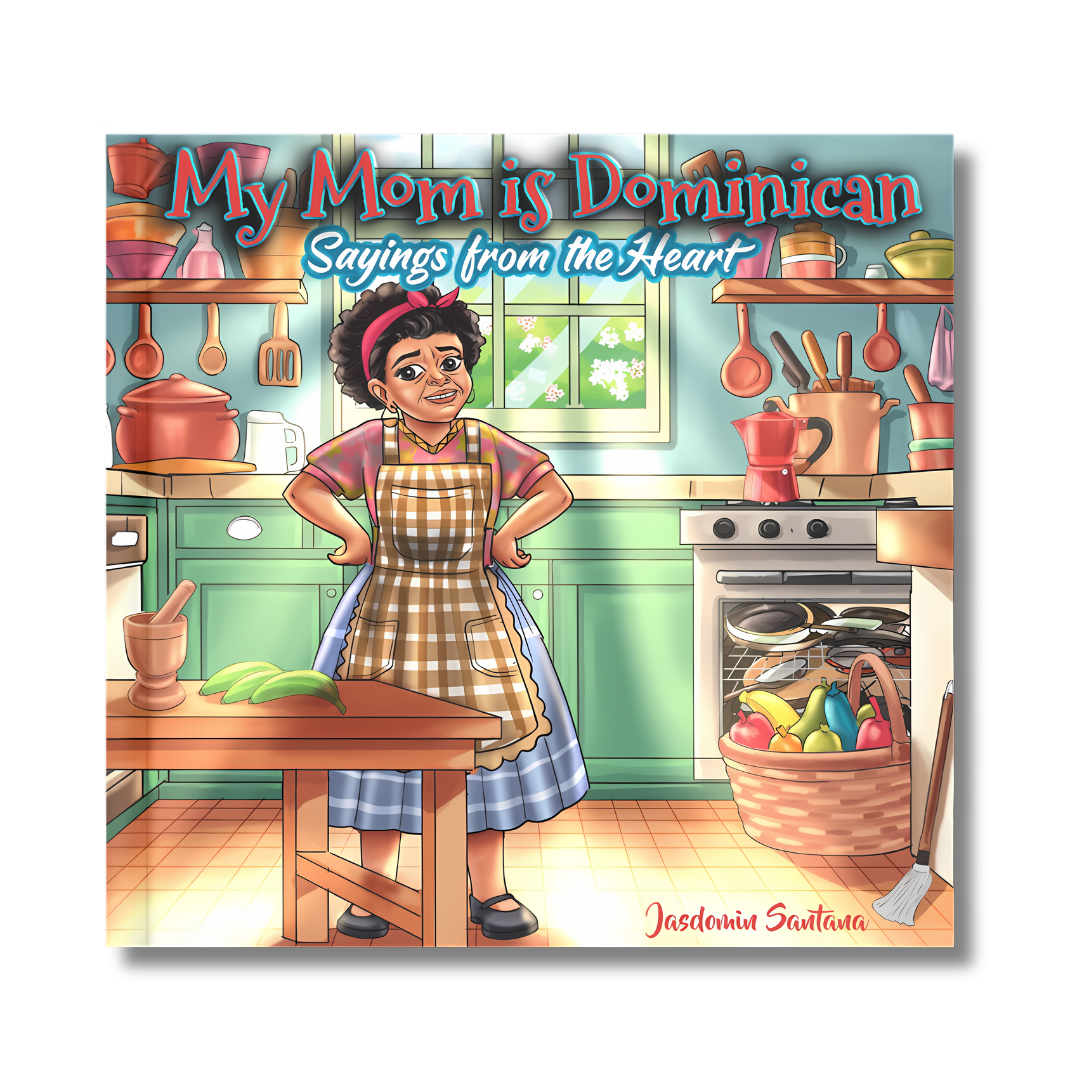

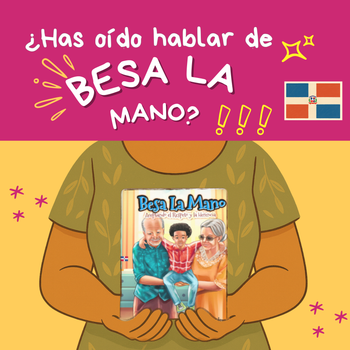
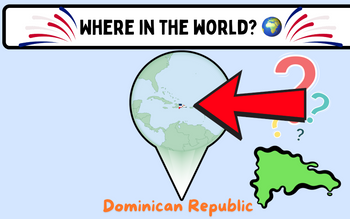


Dominican students are one of the fastest-growing English learner populations in U.S. schools, yet ESOL classrooms rarely include books that reflect their specific cultural background. Culturally responsive teaching, using materials that connect to students' lived experiences, significantly improves language acquisition and engagement. Bilingual books from Jasdomin Santana Children's Books, including Dominican ABCs, Dominican 123, Frutas Y Friends, activity books, interactive Domincan history quizzes, games, and a lesson plan digital download, give ESOL educators a practical, culturally specific toolkit for Dominican and Latino English learners.
Why Dominican Students Need Culturally Relevant ESOL Resources
Walk into an ESOL classroom in New York, New Jersey, Massachusetts, or Florida and you are likely to find bilingual students from a dozen different backgrounds. Among them, Dominican students represent one of the largest Latino subgroups in the Northeast United States. The Dominican-American population has grown to over 2 million, with communities concentrated in cities like New York, Providence, Lawrence, Paterson, and schools in those cities often see classrooms where 40% or more of students speak Spanish at home.
Yet when those students look for themselves in the books their teachers read aloud, they frequently come up empty. Generic "Spanish-English" books often reflect Mexican or Central American cultural touchstones and not the merengue, the mangú, the cuentos, or the Spanglish of a Dominican-American household.
This gap is a representation issue and an instructional issue. When students cannot connect what they are reading to what they already know, language acquisition slows. When they can, it accelerates.
For ESOL teachers working with Dominican students, culturally specific bilingual books are not a nice-to-have. They are a teaching tool.
The Research on Culturally Responsive Teaching
The concept of culturally responsive teaching, developed by scholar Gloria Ladson-Billings and expanded by Geneva Gay, argues that students learn more effectively when their cultural backgrounds are actively integrated into instruction rather than ignored or minimized.
For English language learners specifically, the benefits are well-documented:
- Students who see their home culture reflected in classroom materials show higher engagement and stronger motivation to read. Source: Colorín Colorado
- Bilingual books that honor both languages equally, rather than treating Spanish as a stepping stone to English, reinforce the message that bilingualism is an asset and not a deficit. Source: Edutopia
- Research from ASU confirms that bilingual picture books are "crucial to how children learn language" and offer structured opportunities to develop vocabulary in both languages simultaneously. Source: ASU News
- The English Learner population in U.S. schools grew by 8.1% between 2000 and 2017, with 10 states now reporting EL populations of 10% or higher. The need for culturally specific resources grows with that population. Source: AMLE
The takeaway for teachers is clear: when you use books that connect to a Dominican student's specific cultural world, their food, their music, their language patterns, their family traditions, you are not just being kind. You are being effective.
What to Look for in Bilingual Books for ESOL Classrooms
Not all bilingual books work equally well in ESOL instruction. When selecting resources for Dominican or Latino English learners, look for these qualities:
1. True Bilingualism, Not Just Translation
The best bilingual books for ESOL classrooms present both English and Spanish with equal weight and visual prominence. Books where Spanish is relegated to small print footnotes send the wrong message. Look for books where both languages share the page with confidence.
2. Cultural Specificity
A book that mentions "tamales" instead of "mangú" is not speaking to a Dominican student's experience. Look for books that include culturally specific vocabulary, foods, traditions, and geography relevant to the Dominican Republic and Dominican-American life.
3. Age-Appropriate Vocabulary Building
For K-5 ESOL students, the best bilingual books introduce vocabulary in context, not through disconnected word lists. Look for books that build vocabulary through story, repetition, and illustration.
4. Teacher Usability
Books with predictable structures, repeated phrases, or clear thematic organization give ESOL teachers more instructional leverage. Bonus points for books with companion worksheets, lesson plans, or activity extensions.
5. Student Representation
Dominican-American students should see characters who look like them, eat their food, and speak their language. Source: NCTE
Top Bilingual Books for Dominican Students
Jasdomin Santana, a New Yorker (now Delaware-based) Dominican-American author with 15+ published titles, has created one of the only bilingual children's book collections specifically rooted in Dominican and Caribbean culture. Her books have been featured on PBS, Good Morning Delaware, and RTVD TV. Below are some, but not limited to, of her strongest titles for ESOL classroom use.
Dominican ABCs / El Abecedario Dominicano
An alphabet book with a Dominican twist, each letter introduces vocabulary rooted in Dominican culture, food, and everyday life. This is an ideal read-aloud for early learners because it builds foundational English and Spanish vocabulary simultaneously, using visual anchors that Dominican students recognize from home.
Best for: Pre-K through Grade 2 | Vocabulary building, letter recognition, read-aloud
Shop Dominican ABCs at jasdomin.com
Dominican 123 / Los Números Dominicanos
A bilingual counting book that introduces numbers through Dominican cultural contexts. For young ESOL learners, concepts in both English and Spanish, tied to familiar cultural references, reinforce mathematical and linguistic learning at the same time.
Best for: Pre-K through Grade 1 | Number recognition, bilingual math vocabulary
Shop Dominican 123 at jasdomin.com
Frutas Y Friends
A vibrant bilingual book that introduces fruits through both English and Spanish names, pero with Dominican flavor. Frutas Y Friends is a natural fit for ESOL instruction because fruit vocabulary is a staple of early language curricula, and this book connects that vocabulary to the tropical fruits to Dominican names.
Best for: K through Grade 3 | Food vocabulary, phonics, cultural connection
Shop Frutas Y Friends at jasdomin.com
Dominican Coloring Books
Jasdomin's coloring books offer a visual, hands-on complement to read-aloud time. For ESOL students who are still developing English literacy, the act of coloring while labeling illustrations in English and Spanish builds vocabulary retention through tactile engagement. These work especially well as quiet activity time or as take-home materials to share with parents.
Best for: Pre-K through Grade 3 | Vocabulary retention, fine motor skills, family engagement
Activity Books
For teachers who want structured, curriculum-aligned practice, Jasdomin's activity books offer exercises that reinforce the vocabulary and cultural concepts introduced in her picture books. They function as ready-to-use workbook supplements for ESOL lesson plans.
Best for: K through Grade 5 | Skill reinforcement, independent practice, homework
Digital Downloads and Classroom Tools
For ESOL teachers who want to use Jasdomin's content without waiting for book shipments, the Lesson Plan Digital Download and Dominican History interactive quiz is a practical starting point.
Available directly at jasdomin.com, this digital resource gives educators a structured framework for using Dominican bilingual books in classroom instruction. It includes discussion prompts, vocabulary extension activities, and suggested read-aloud strategies aligned with culturally responsive teaching principles.
Digital downloads also solve a common classroom challenge: teachers can print, project, and adapt materials for different learner levels, making differentiation easier across the varied proficiency levels typical in ESOL classrooms.
Classroom Activity Ideas
Here are five ready-to-use classroom activities that pair naturally with Jasdomin's bilingual books:
1. Word Wall with Two Languages
After reading Dominican ABCs, build a classroom word wall where each word appears in both English and Spanish. Invite Dominican students to add pronunciation guides in their own dialect. This positions their knowledge as an asset, not a deficit. Take it further with the digital Dominican word matching game!
2. Fruit Market Roleplay (Frutas Y Friends)
After reading Frutas Y Friends, set up a pretend market where students practice buying and selling fruits using both English and Spanish vocabulary. Assign roles as vendor and customer. This builds conversational English in a low-stakes, culturally familiar scenario. Pair this book with the free digital journal name.
3. Counting Our Community (Dominican 123)
Using Dominican 123 as a launch point, have students count culturally specific items from their own homes or communities, photos of food, family members, instruments. The exercise builds vocabulary while honoring home culture.
4. Read and Color Vocabulary Review
Pair the bilingual picture books with Jasdomin's coloring pages. Students color an illustration, then label it in both languages from memory. Teachers can use this as a low-pressure vocabulary assessment that does not feel like a test.
5. Family Story Share
Assign students to ask a family member to share a story from the Dominican Republic or their home country. Students bring the story back to class and share it in any language, then the class works together to identify vocabulary in English. This bridges home and classroom in a way that ESOL students rarely experience.
Building a Culturally Responsive Classroom Library
The goal is not to replace existing ESOL resources, it is to expand them. A culturally responsive classroom library for Dominican students includes:
- At least 3-5 books with Dominican or Caribbean cultural content
- Bilingual materials that present Spanish with equal visual weight to English
- At least one digital resource for flexible classroom use
- Activity or workbook materials that reinforce vocabulary from picture books
- Family-facing materials (like coloring books or take-home books) to extend learning beyond school
Jasdomin Santana's collection checks every one of those boxes. With over 15 published titles spanning alphabet books, counting books, fairy tale retellings, coloring books, activity books, and digital downloads, it is one of the most complete Dominican-specific ESOL resource collections available to classroom teachers.
As NCTE's bilingual literacy educators note, "bilingual books offer both a cultural and a linguistic experience for all readers" and for Dominican students specifically, that combination is where the magic of language learning begins. Source: NCTE
Ready to build a more culturally inclusive ESOL classroom? Browse bilingual books, activity books, lesson plan downloads, and more at jasdomin.com. ¡Dale, let's Dominicanize your classroom library!

