


What Is Dominican Heritage Month?
Dominican Heritage Month runs from January 21 to February 27 each year. It begins with the feast of La Virgen de la Altagracia, the patron saint of the Dominican Republic, on January 21, continues through the birthday of founding father Juan Pablo Duarte on January 26, and closes with Dominican Independence Day on February 27, the day in 1844 when the Dominican Republic declared its independence.
In New York, home to the largest Dominican diaspora population in the United States, the month was officially proclaimed by Governor Cuomo in 2016, making it a recognized state celebration. Dominican-American communities across the country use the period to host concerts, lectures, cultural events, and school programs that honor Dominican history, art, music, and identity.
For families, it's one of the best times of year to be intentional about passing culture down to the next generation.
Why Celebrating With Kids Matters
Kids form their sense of identity early. The stories they hear, the foods they eat, the music they grow up with, and the traditions their families practice all shape how they see themselves and where they feel they belong.
For Dominican-American children growing up in the United States, that sense of belonging to two worlds, the island and the mainland, can feel complicated. School is in English. Most of their classmates may not know what a güira is. Abuela's dichos don't translate.
Celebrating Dominican Heritage Month gives kids a dedicated, joyful moment to see their culture honored, not as something old-fashioned or foreign, but as something vibrant, modern, and worth being proud of. It tells them: your roots matter, and we celebrate them out loud.
Key Dates to Know
| Date | Significance |
|---|---|
| January 21 | La Virgen de la Altagracia — patron saint of the Dominican Republic |
| January 26 | Birthday of Juan Pablo Duarte — founding father of the Dominican Republic |
| February 27 | Dominican Independence Day — the Dominican Republic declared independence in 1844 |
| Sept 15 – Oct 15 | National Hispanic Heritage Month — a second opportunity to celebrate Dominican culture |
Mark these on your calendar and build small traditions around each one. Even a special dinner, a read-aloud, or a playlist on those dates makes the cultural connection feel real and recurring.
10 Ways to Celebrate at Home
1. Cook a Dominican Meal Together
Food is one of the most direct paths to culture. Involve your kids in cooking a full Dominican meal from start to finish.
Start with mangú — let kids mash the boiled plátanos and watch the transformation. Make morir soñando together for dessert, and talk about the name: to die dreaming. What does that mean? Why would someone name a drink that?
For younger kids, even simple moments matter: letting them stir the pot, taste the sazón, or help set the table with the Dominican flag colors (red, blue, and white).
Recipe ideas to try:
- Mangú con los tres golpes
- Morir soñando
- Tostones with garlic sauce
- Arroz con leche
- Sancocho (a weekend project worth the effort)
Pair the cooking with Mangú Con Los Tres Golpes by Jasdomin Santana, a picture book where the breakfast foods themselves are the characters. Kids who've just made mangú with you will read that book differently. Another one is Morir Soñando: The Dream Weaver available in English and Spanish. These books include the recipe.
2. Read Dominican Books Aloud
Set aside time every week during Heritage Month for Dominican read-alouds. This works whether your child is 6 months or 10 years old, the habit of reading culture into your home is what matters.
A few ideas for building a month-long reading rhythm:
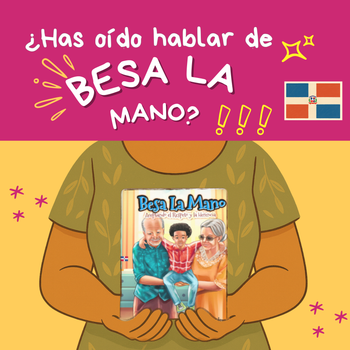
- Week 1 (La Virgen de la Altagracia, Jan 21): Read a book about Dominican traditions. Try Besa La Mano. The tradition of requesting a blessing connects beautifully to the reverence of La Altagracia. Available in English or Spanish.
- Week 2 (Duarte's Birthday, Jan 26): Read something that connects kids to the island itself. Morir Soñando: The Dream Weaver takes kids on a magical nighttime tour of Dominican village life. Available in English and Spanish.
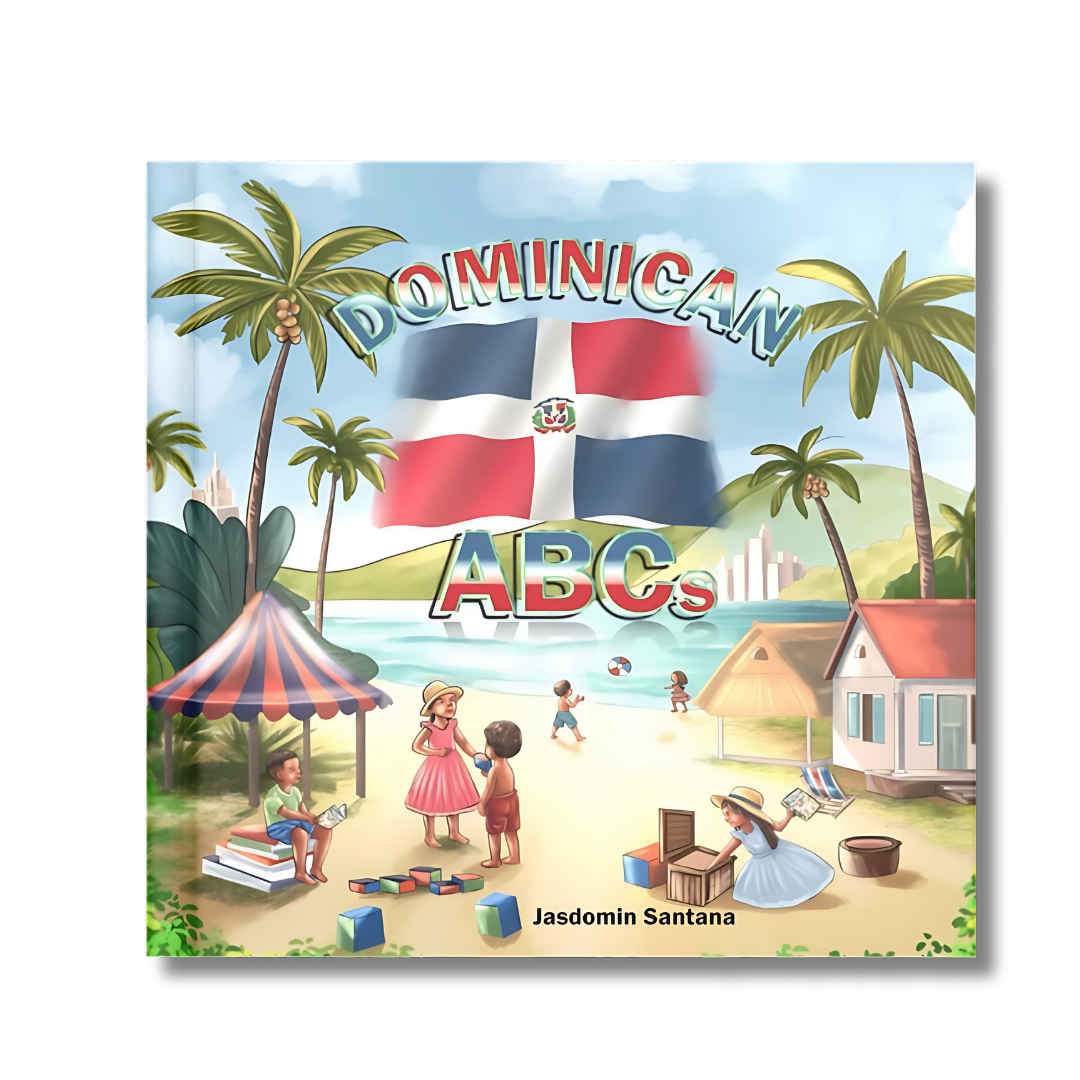
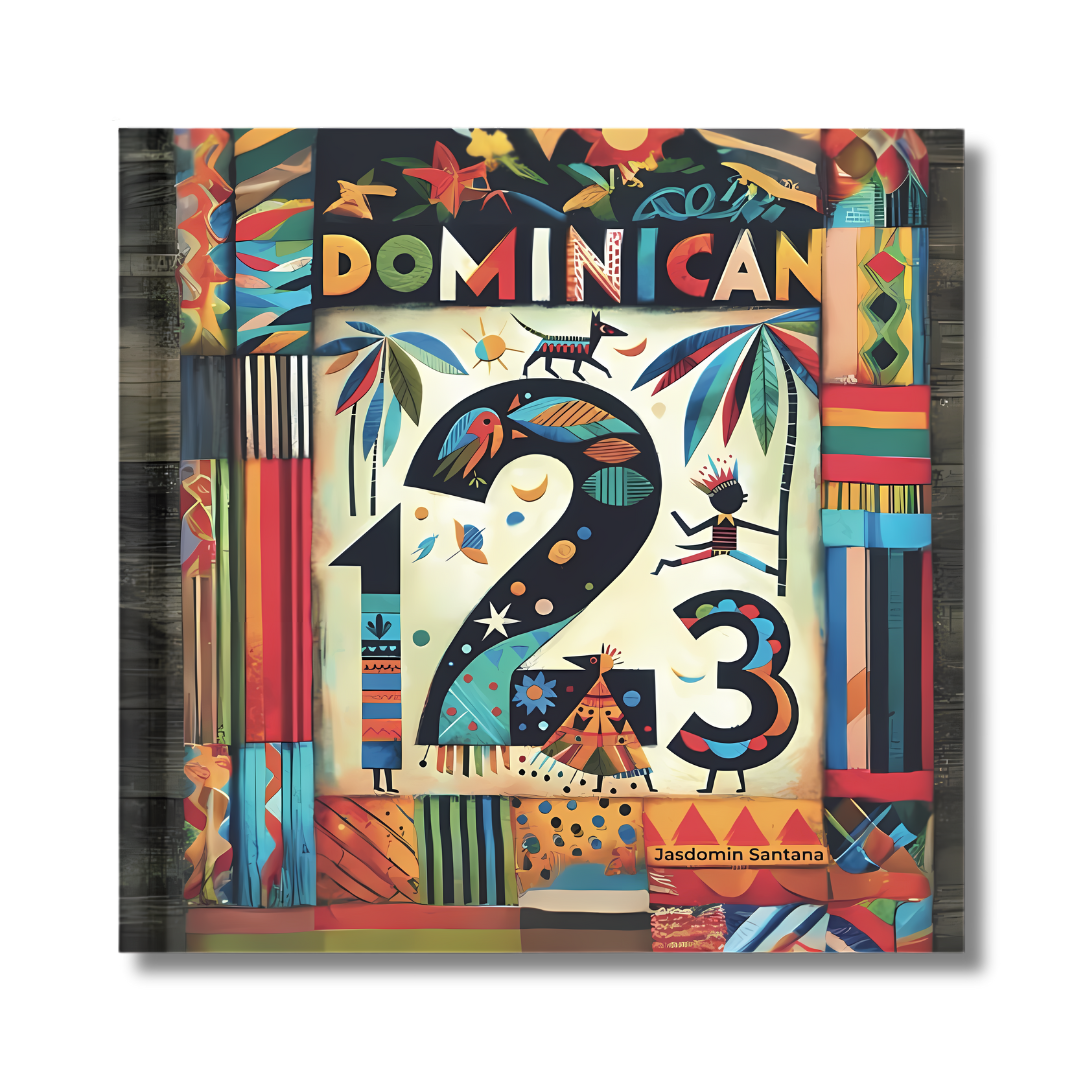
- Week 3: Focus on language. Read Dominican ABCs or Dominican 123.
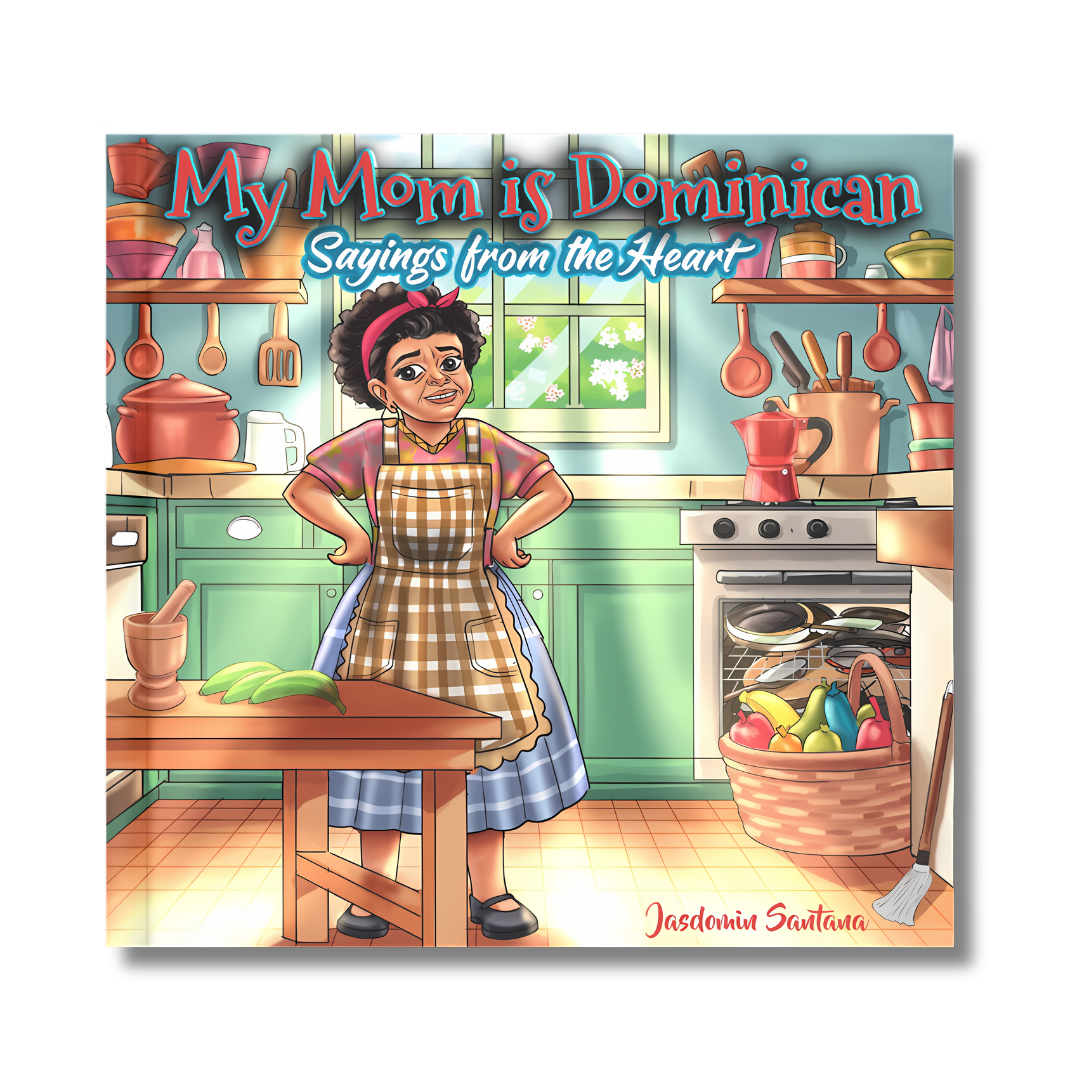
- Week 4 (Independence Day, Feb 27): Celebrate with something joyful and proud. My Mom Is Dominican: Sayings from the Heart is a perfect read for the whole family.
Find the full collection at jasdomin.com.
3. Make a Dominican Flag Craft
The Dominican flag is rich with meaning and a perfect starting point for a conversation about history with kids.
Simple craft for ages 3+: Cut red, blue, and white construction paper into rectangles. Help kids arrange them into the four-quadrant flag pattern and glue them onto a poster board. Draw or cut out the coat of arms for the center.
While you craft, talk about what the colors mean: blue for liberty, red for the blood of heroes, white for salvation. For older kids, introduce Juan Pablo Duarte and the story of 1844.
Jasdomin's free Dominican Republic Flag Coloring Page is a great companion activity! Download it for free at jasdomin.com
Watch and dance to an episode on Tiny Dominican Explorer YouTube channel.
4. Dance to Merengue and Bachata
Put on a merengue playlist and clear the living room floor. That's it. That's the activity.
Dancing is one of the most natural and joyful ways kids absorb cultural identity. Merengue's two-step is easy enough for toddlers. Bachata's rhythm is something kids feel before they understand it. Let them move.
For a more structured moment, find a short merengue tutorial on YouTube and learn the basic step together as a family. Older kids especially enjoy having something to show off at family gatherings.
For merengue and bachata songs for kid that also teach about Dominican culture, watch Tiny Dominican Explorer YouTube channel.
5. Watch Dominican History Videos Together
Age-appropriate documentaries and YouTube content about Dominican history turn abstract facts into vivid stories.
For younger kids: The Tiny Dominican Explorer YouTube channel run by Jasdomin Santana, creates bilingual, kid-friendly content about Dominican culture, language, and heritage. Search for it on YouTube and make it part of your Heritage Month screen time.
For older kids (ages 8+): Look up short documentaries about Juan Pablo Duarte, the Mirabal Sisters, or Dominican carnival traditions. The Mirabal Sisters story in particular, Las Mariposas, is one of the most powerful stories of courage in Caribbean history and resonates deeply with older elementary and middle school kids.
- Want to take it further? Take a history lesson and the quiz
6. Play Dominican Music for Kids
Music is something kids absorb without trying. Play it in the car, during dinner, while getting ready for school. The rhythms become familiar, and familiar becomes beloved.
Jasdomin Santana has a bilingual kids' music album available on Spotify and Apple Music, designed specifically for Dominican-American children, with songs that blend Spanish and English and celebrate Dominican culture. Add it to your Heritage Month playlist.
- In My Dominican Era
- Tiny Dominican Explorer Album
For variety, build a family playlist together. Let kids pick one song each. Talk about where the music comes from and what makes Dominican rhythms unique, the güira, the tambora, the two-beat of merengue.
7. Practice Dominican Sayings
Every Dominican family has a collection of dichos! Proverbs and sayings passed down through generations. Heritage Month is a great time to bring them out deliberately.
Write one dicho on a sticky note each week and put it somewhere visible, the fridge, the bathroom mirror, the breakfast table. Talk about what it means. Let kids guess. Connect it to a story from your own family history.
A few to start with:
- "Camarón que se duerme, se lo lleva la corriente." (The shrimp that falls asleep gets carried away by the current.) — Don't procrastinate.
- "No hay mal que por bien no venga." (There's no bad that doesn't bring some good.) — Every cloud has a silver lining.
- "Dime con quién andas y te diré quién eres." (Tell me who you walk with and I'll tell you who you are.) — You are known by the company you keep.
My Mom Is Dominican: Sayings from the Heart by Jasdomin Santana is a whole book of these presented in English and Spanish with the warmth and humor only Dominican mothers can deliver. A perfect read-aloud companion to this activity.
- Want to take it further? Play the Dominican Words Digital Matching Game
8. Create a Family Heritage Wall
Set aside a wall, a bulletin board, or even a large poster board for the month. Build it together with your kids over the four weeks.
What to add:
- A printed Dominican flag
- A map of the island with your family's hometown marked
- Photos of family members from the Dominican Republic
- Kids' drawings of Dominican foods, instruments, or landmarks
- Printed book covers of the Dominican books you read that month
- A dicho written in your child's handwriting
By February 27, you'll have a visual record of a whole month of heritage and something your child helped build, which makes it meaningful in a way a store-bought decoration never could.
9. Video Call Family on the Island
If you have family in the Dominican Republic, Heritage Month is a perfect excuse to schedule a video call especially on January 26 or February 27.
Let the kids lead the conversation. Ask them to prepare one question to ask Abuela or Tío about what life is like on the island, what their favorite Dominican food is, or what Dominican Independence Day feels like there.
For kids who don't have family on the island, this is still a beautiful conversation to have: What do you know about where our family comes from? What would you want to learn?
10. Download Free Dominican Learning Resources
Jasdomin Santana offers several free digital downloads designed to make Dominican cultural learning fun and interactive at home or in the classroom.
- Free Flag Coloring Page — Print and color the Dominican flag while learning about its meaning.
- Free My Name Journal / Mi Nombre Diary — A bilingual journal for kids to reflect on the meaning of their name and their identity.
Both are free to download and use at home or in the classroom. No cost, no friction, just great cultural learning.
For Educators: Bringing Dominican Heritage Month into the Classroom
Dominican Heritage Month falls during the school year, which makes it a natural fit for classroom celebration. Here are practical ways to bring it in:
Read-Alouds: Dominican ABCs, Dominican 123, and Besa La Mano are all classroom-ready. They're short enough for a single read-aloud session, visually engaging, and bilingual making them accessible to heritage learners and non-Spanish-speaking students alike.
Cultural Show and Tell: Ask students with Dominican heritage to bring in one object, food, or story from home. Give the moment structure and reverence, this isn't just sharing, it's teaching the class.
Flag Craft + History Discussion: The Dominican Independence Day story is a rich history lesson. Juan Pablo Duarte, La Trinitaria, and the founding of the Dominican Republic in 1844 connect directly to themes of freedom and civic courage that appear across social studies curricula.
Free Downloads: Use the free Dominican Spanish Flashcard Bundle and coloring pages from jasdomin.com as classroom supplements. The Dominican Spanish Printable Flashcards & Digital Matching Game Bundle ($8.99) includes 40 bilingual vocabulary words with audio — a ready-made classroom activity.
Books to Read All Month Long
These Jasdomin Santana titles pair perfectly with Heritage Month themes:
| Book | Best for | Heritage Month Connection |
|---|---|---|
|
Besa La Mano Available in English and Spanish |
Ages 2–8 | Traditions, respect, island life |
| My First Dominican Book: Touch & Feel | Ages 0–3 | First cultural exposure for babies |
| Dominican ABCs | Ages 2–7 | Language, vocabulary, cultural pride |
| Dominican 123 | Ages 0–5 | Counting, symbols, bilingual learning |
| Mangú Con Los Tres Golpes | Ages 2–8 | Food, identity, belonging |
|
Morir Soñando Available in English and Spanish |
Ages 2–8 | Folklore, abuela bond, island magic |
| My Mom Is Dominican: Sayings from the Heart | Ages 2+ | Sayings, motherhood, bilingual culture |
|
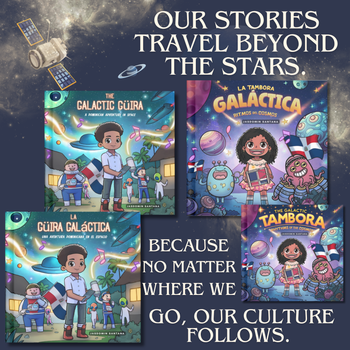
The Galactic Trilogy: Güira: Available in English and Spanish |
Ages 2–10 | Adventure, music, cultural pride |
Celebrate All Year, Not Just in January
Dominican Heritage Month is a beginning, not a boundary. The best cultural education happens in small, consistent moments, the dicho on the fridge, the merengue on a Tuesday morning, the bedtime story in Spanish on a Wednesday night.
Use January and February to build the habits, then let them carry forward. Every time your child hears Dominican Spanish, eats Dominican food, dances to merengue, or opens a Dominican book, they're building an identity that will hold them steady for life.
Browse the full Jasdomin Santana collection at jasdomin.com.and ¡Pa'lante, siempre pa'lante!

