


"Bendición, Abuela" or "Ción, Abuela."
Three words. And somehow, in three words, a child sends a whole message: I see you. I love you. I honor you.
If you grew up Dominican or love someone who did then you know this moment. The walk through the door. The pause before the hug. The quiet, reflexive request for a blessing that lives so deep in Dominican culture it doesn't even feel like a tradition anymore. It just feels like home.
This post is for Dominican-American parents raising kids in the US, for educators who want to understand their students' cultural world, and for anyone who wants to pass down this beautiful tradition to the next generation in both English and Spanish.
TLDR
- "Besa la mano" is a Dominican custom where children show respect to elders by asking for their blessing.
- "Bendición" or "ción" is the verbal greeting children say to elders in Dominican households.
- The elder responds with "Dios te bendiga" or "Que Dios te bendiga y te guarde."
- This tradition is a living expression of Dominican values: family, respect, and faith.
- Teaching it to kids raised in the US keeps cultural identity strong across generations.
What Does "Besa la Mano" Mean?
¿Qué significa "besa la mano"?
Literally translated, "besa la mano" means "kiss the hand." In Dominican culture, it refers to the act of a child asking for the elder's blessing (not literally kidding the hand).
This gesture is most common when:
- Greeting a grandparent (abuela / abuelo) after time apart
- Arriving at a family gathering
- Greeting an elder
The gesture of besa la mano is the visible expression of something deeper, an acknowledgment that elders carry wisdom, love, and blessing that flows downward through the family.
Vocabulary / Vocabulario:
- Besa = Kiss (command form of besar)
- La mano = The hand
- Abuela = Grandmother
- Abuelo = Grandfather
- Respeto = Respect
What Is "Bendición" and How Does It Work?
¿Qué es la bendición y cómo funciona?
In Dominican households, it's the standard verbal greeting children offer to elders, and it works like this:
The child says:
"Bendición, Tío." "Bendición, Abuela." "Bendición, Señora Carmen."
The elder responds:
"Dios te bendiga." "Que Dios te bendiga y te guarde." "Bendito."
That exchange, greeting and response, offering and receiving, happens dozens of times at any Dominican family gathering. It's automatic. It's instinctive. And for kids who grew up with it, going back home and not saying "bendición" feels deeply wrong.
My Tiny Dominican Explorer YouTube channel has a whole episode dedicated to this, including a fun song. You can watch the episode here.
What it means in English:
- Bendición = Blessing
- Dios te bendiga = God bless you
- Que Dios te bendiga y te guarde = May God bless you and keep you
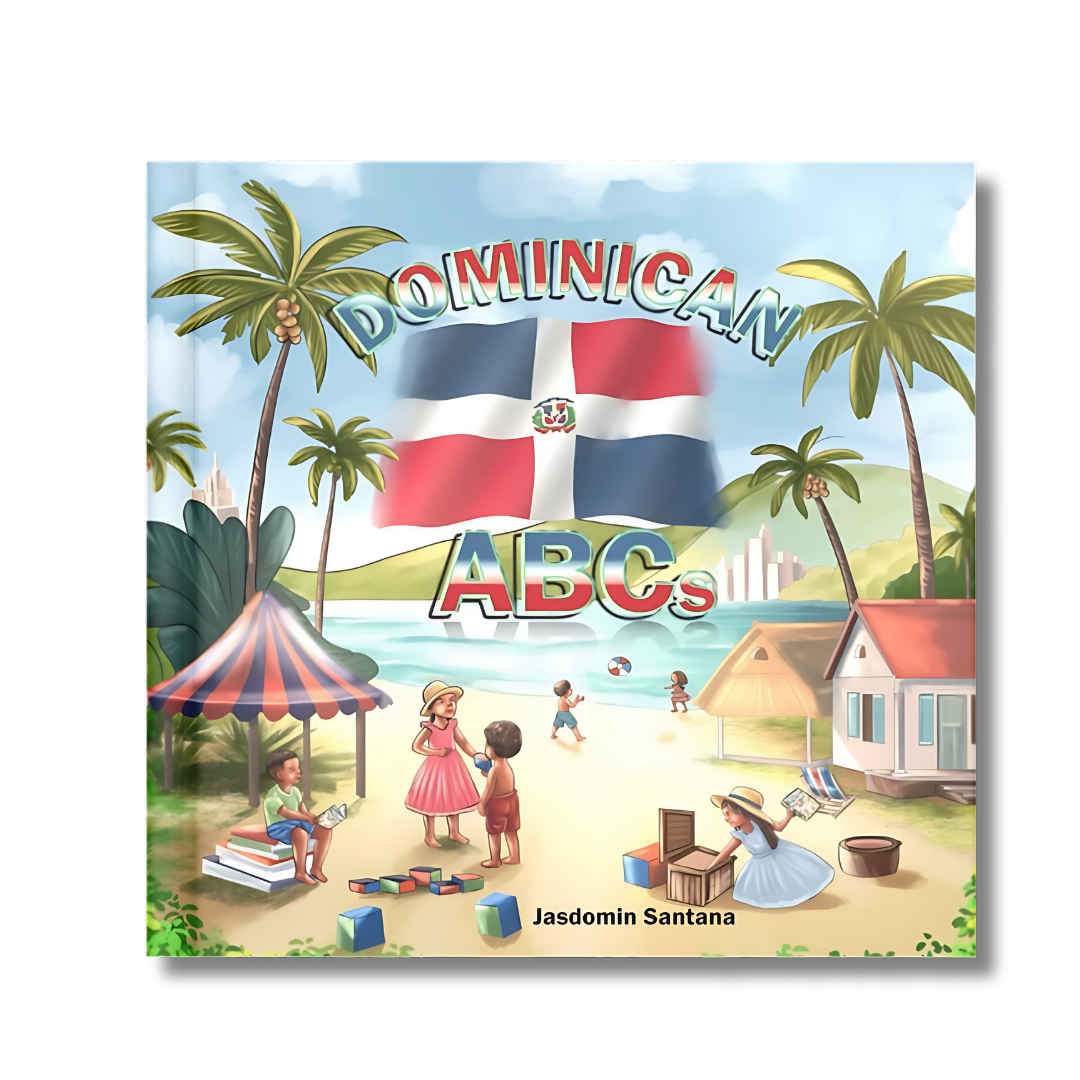
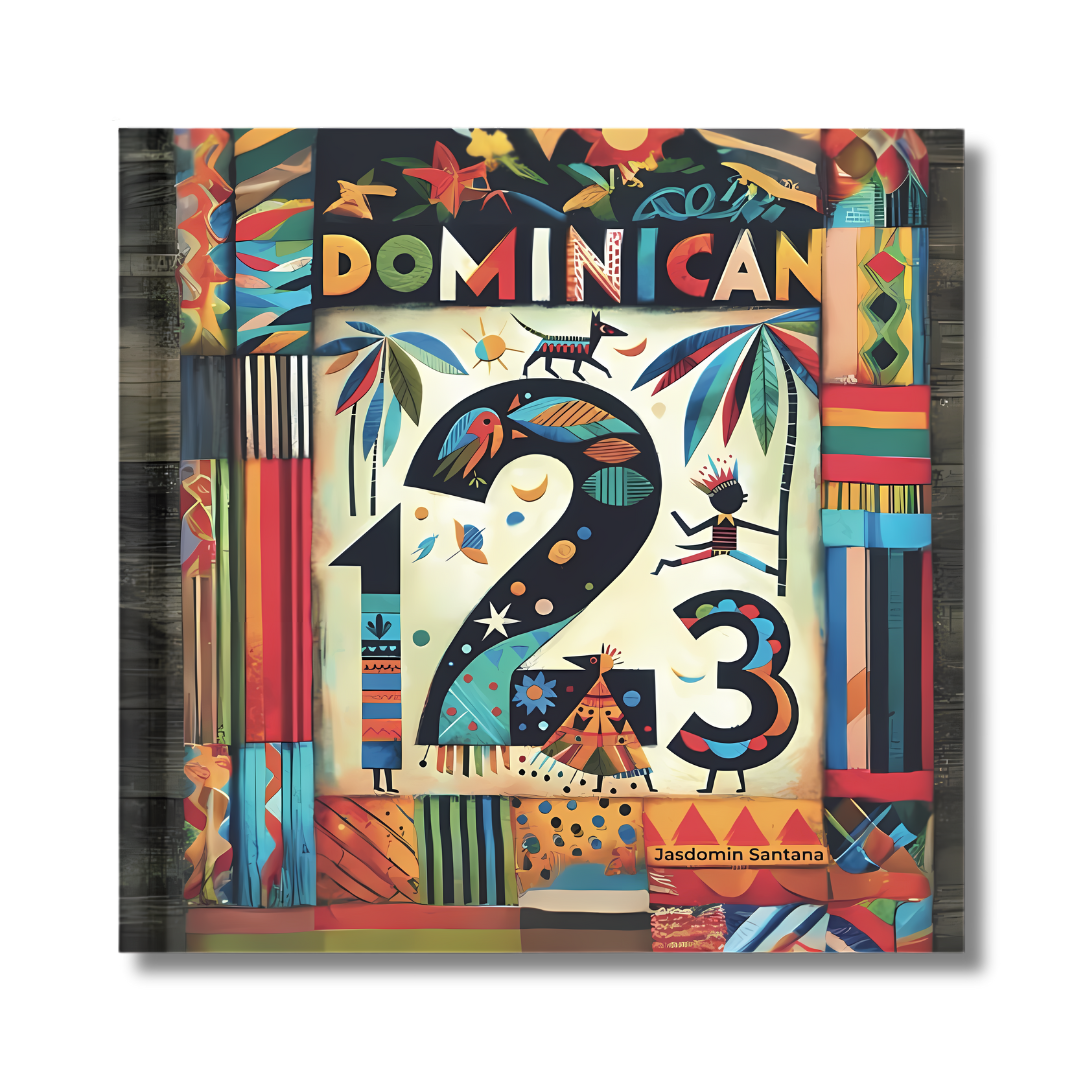
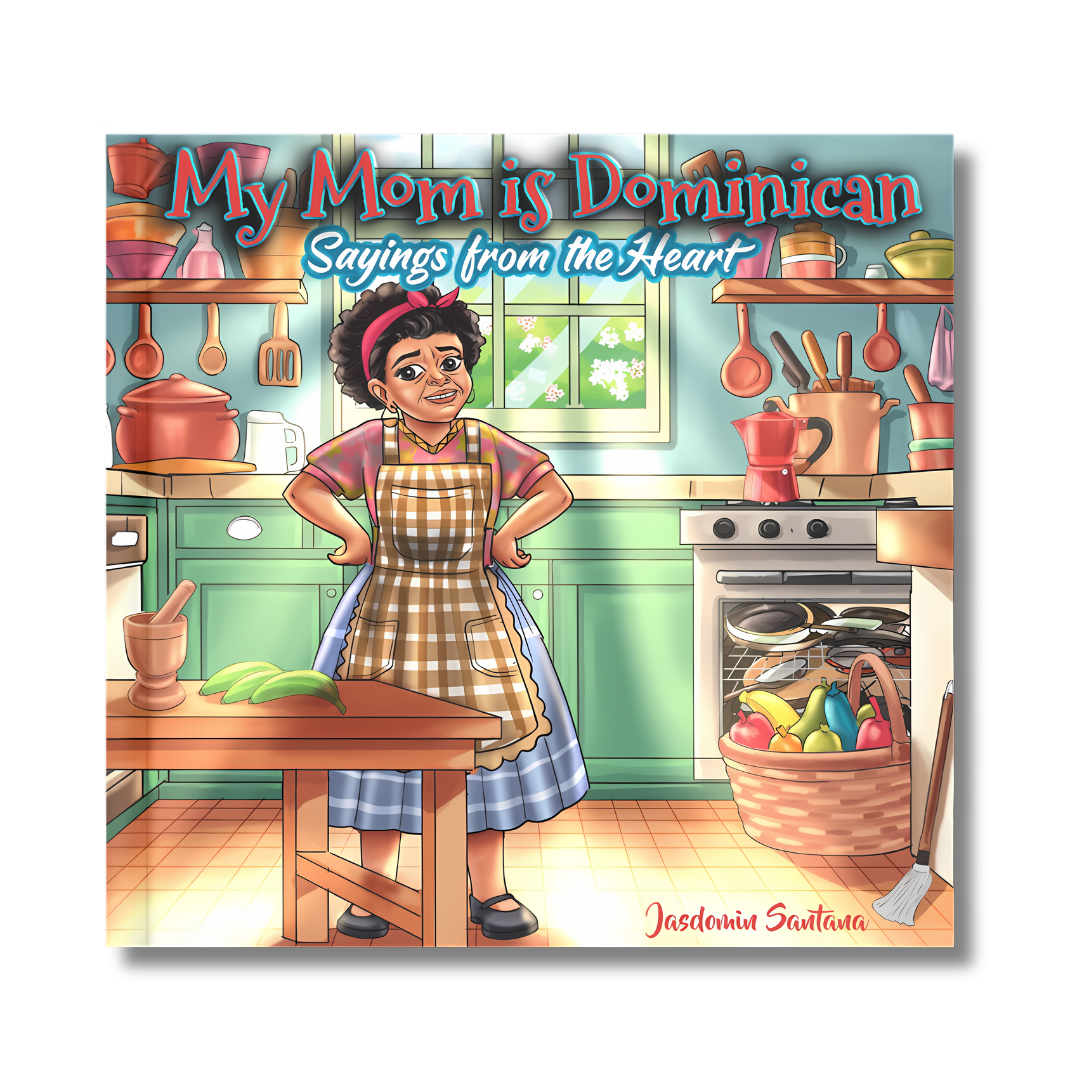
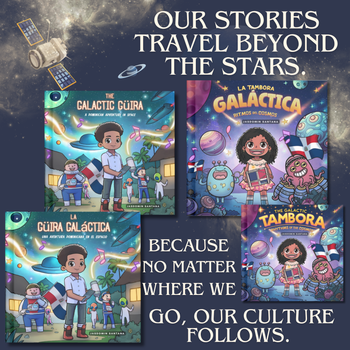
Jasdomin also wrote a children's book in English and spanish about Besar La Mano, shop it here for English and here for Spanish.
The Cultural Roots of This Tradition
Las raíces culturales de esta tradición
The tradition of asking for a blessing from elders blends several cultural and spiritual threads that are central to Dominican identity.
Spanish Catholic roots: The Spanish colonizers brought with them a deep Catholic tradition of seeking blessings from priests, from parents, from God. This became woven into Dominican family life through centuries of faith practice.
African roots: African cultures brought to Hispaniola through the slave trade carried their own deep traditions of elder reverence. In many West African cultures, elders hold sacred authority and wisdom that younger generations honor through gesture and language.
Taíno roots: The indigenous Taíno people of Hispaniola also centered community and kinship. Respect for those who came before was embedded in Taíno culture long before European contact.
What emerged from this blending is distinctly Dominican: a tradition that is simultaneously spiritual, familial, and cultural. The bendición is not just manners, it is also living connection to the roots of Dominican identity.
Why It Matters for Dominican Kids in the US
Por qué importa para los niños dominicanos en los EE. UU.
Raising a Dominican kid in the United States is a beautiful juggling act. You want them to thrive in their American life, in school, in friendships, in the English-speaking world, and you also want them to know where they come from. You want them to feel the warmth of family gatherings, to understand the music, to know the food, and to carry the values that make Dominican culture so rich.
But between school schedules, English-dominant environments, and distance from the island, the everyday rhythms of Dominican life can start to feel far away.
That's where small, everyday traditions do enormous work.
When a child says "Bendición, Abuela," and means it, they're not just being polite. They're practicing an identity. They're telling themselves: this is who I am. I come from a people who honor family, who acknowledge love out loud, who believe that blessings flow from one generation to the next.
Research on bilingual and bicultural children consistently shows that children with strong cultural identities develop higher self-esteem, greater resilience, and stronger family bonds. The bendición tradition is one of the simplest, most powerful ways to cultivate that identity... one greeting at a time.
How to Teach "Besa la Mano" to Your Kids
Cómo enseñarles a tus hijos a besar la mano
If your child is growing up in the US and hasn't naturally absorbed this tradition through daily family life, here are practical ways to introduce it.
1. Model it yourself
Children learn by watching. When you arrive at an elder family member's home, greet them with "Bendición, Tía" yourself. Show your child what it looks like before you expect it from them.
2. Explain the "why" in kid-friendly language
Don't just tell them what to do, tell them why. "When we say bendición to Abuela, we're telling her we love her and we respect her. It's a special Dominican way of giving a hug with words."
3. Practice before family gatherings
Before a big family get-together, walk through it at home. "Okay, when we see Tío Carlos, what do we say?" Make it feel like a fun game, not a test.
4. Use bilingual books to open the conversation
Books make cultural traditions feel natural and exciting instead of obligatory. A child who sees a character they love ask for a blessing is much more likely to want to do the same.
Jasdomin wrote a children's book in English and spanish about Besar La Mano, shop it here for English and here for Spanish.
5. Connect it to family stories
Ask grandparents to share their memories of being taught this tradition. When kids hear "I did this with my abuela," the tradition suddenly has history, depth, and meaning.
6. Celebrate when they do it
The first time your toddler mumbles "bendición" unprompted? That's a moment. Celebrate it. Tell Abuela. Take a video. Make them feel proud.
A Book That Brings This Tradition to Life
Un libro que da vida a esta tradición
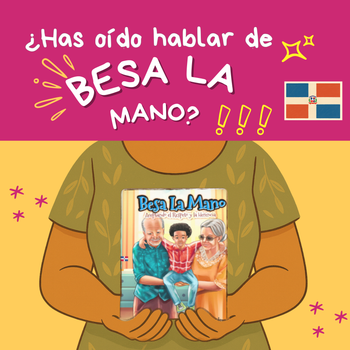
Besa La Mano: Embracing Respect and Heritage by Jasdomin Santana is the perfect way to introduce this tradition to young readers.
In the story, a little boy named Luis travels to the Dominican Republic with his family. Through bustling markets, countryside rivers, and warm encounters with his grandparents, Luis learns the meaning of besando la mano, as a lesson and an experience.
Luis doesn't sit through a lecture on respect. He lives it. And so do your kids when they read it with you.
Available in both English and Spanish editions, Besa La Mano works beautifully as a bedtime read, a classroom book, or a gift for Dominican families navigating the bilingual world together.
"This book does what the best children's books always do, it makes children feel seen, and makes traditions feel worth carrying."
Shop Besa La Mano at jasdomin.com
Frequently Asked Questions
What does "besa la mano" mean in English?
"Besa la mano" means "kiss the hand." It refers to a Dominican cultural tradition where children show respect to elders by requesting their blessing. In practice, it's the verbal tradition of asking for a bendición (blessing) from elders.
Is besa la mano only Dominican?
The tradition of children showing physical respect to elders exists in many Latin American and Caribbean cultures. However, the specific combination of the verbal bendición exchange ("Bendición, Abuela" / "Dios te bendiga") is especially central to Dominican culture and identity.
What do you say when asking for a bendición?
The child says "Bendición" followed by the elder's name or title. For example, "Bendición, Abuela," "Ción, Tío Juan," or simply "Bendición, mami." The elder responds with "Dios te bendiga" (God bless you) or a similar phrase.
At what age do Dominican kids learn to say bendición?
Most Dominican families introduce it as soon as a child starts talking, often between ages 1 and 3. Toddlers who hear it modeled constantly by parents and older siblings tend to pick it up naturally. By school age, it's usually second nature.
How do I explain "bendición" to a non-Dominican partner or teacher?
Think of it as a cultural blessing exchange, a way of greeting elders that combines love, respect, and a small prayer into one simple word. It's not a religious requirement; it's a cultural heartbeat that many Dominican families carry whether they're deeply religious or not. It's about honoring the people who came before you.
Can you teach a bilingual child who lives in the US this tradition?
Absolutely! and it's worth it. Bilingual books, modeling the tradition yourself at home, and telling family stories about where the tradition comes from all help. Even kids raised far from the island can carry this tradition with pride when they understand what it means and where it comes from.
Keep the Culture Alive, One Story at a Time
Mantén la cultura viva, una historia a la vez
The bendición. The warmth in Abuela's eyes when a child pauses before running in for a hug.
These are the moments that make Dominican culture feel alive across generations, not just in the DR, but in Delaware, New York, New Jersey, Miami, Boston, and every city where Dominican families have built their lives.
The best way to pass this down? Tell the stories. Read the books. Say the words.
Explore the full Jasdomin Santana Children's Books collection at jasdomin.com and find the stories that will help your child carry Dominican culture with pride.
¡Dios te bendiga! 🇩🇴
