


Baby's First Biblioteca: How to Build a Bilingual Book Collection for Dominican Babies and Toddlers
¡Bienvenido al mundo, bebé!
Before the first word is spoken. Before the first step is taken. Before there is any formal schooling at all, a baby is already listening, absorbing, and building the architecture of language inside a tiny, miraculous brain.
For Dominican parents and families raising children in the United States, the earliest months and years carry a particular kind of weight. You want your child to thrive in English at school. You also want them to know where they come from... to hear Spanish rolling off their tongue, to understand Abuela without a translator, and to feel proud of a culture that is vivid, musical, and deeply rooted in la isla.
Building a bilingual library from birth is one of the most powerful things you can do for your Dominican baby. This guide covers the science behind it, what to look for in a bilingual book, and exactly which titles to start with.
When to Start a Bilingual Library
The short answer: before birth.
Research published by the University of Washington's Institute for Learning & Brain Sciences shows that babies exposed to two languages before birth already process speech sounds differently, their brains begin preparing to handle multiple languages in the womb. Language acquisition starts with listening, and listening starts early.
From birth, babies distinguish the rhythm and melody of different languages. By six months, bilingual babies show measurable cognitive differences from monolingual peers. The window is wide open in those first three years, and the literature on the topic is clear: earlier exposure produces stronger and more automatic bilingual connections.
A bilingual library does not need to be large. It needs to be consistent and culturally meaningful. Start with two or three books and read them again and again. Repetition is how babies learn.
What Science Says About Bilingual Babies
Parents sometimes worry that two languages will confuse a baby or slow down speech development. Decades of research say otherwise.
A landmark study published in Learning Landscapes journal, peer-reviewed and conducted across multiple universities, found that bilingual children develop on the same timeline as monolingual children and show enhanced cognitive flexibility, better executive function, and stronger problem-solving skills. Bilingualism is an advantage! Not a burden!
For Dominican babies specifically, there is an additional layer: cultural identity. Children who grow up with books, music, and stories in their heritage language develop a stronger sense of self, which the American Psychological Association links directly to greater academic confidence and resilience.
When your Dominican toddler hears words like platanito, güira, or besa la mano in a book, they are learning vocabulary AND they are learning who they are.
What to Look for in a Bilingual Book for Dominican Babies
Not all bilingual books are created equal. Here is what makes a strong bilingual board book or early reader for Dominican babies and toddlers:
Board book format for ages 0–2. Thick, chew-proof pages that survive drool, baths, and enthusiastic toddler handling. Babies explore books with their hands and mouths first, their eyes second.
Simple, repetitive text. Babies and toddlers thrive on patterns. A book that repeats key words, numbers, or phrases in both languages builds vocabulary through rhythm, not memorization.
Bold, high-contrast illustrations. Newborns first perceive high-contrast visuals. As babies develop into toddlers, bright, culturally rich illustrations hold attention and spark conversation.
Cultural specificity. Generic "Spanish/English" books miss the point for Dominican families. Look for books that feature Dominican foods, music, customs, and values... not just translated versions of mainstream children's stories.
Author voice and community roots. Books written by Dominican authors for Dominican families carry an authenticity that is hard to replicate. The vocabulary, the humor, the emotional texture, it is different when it comes from inside the culture.
Best Bilingual Books for Dominican Babies and Toddlers (Ages 0–3)
The following titles come from Jasdomin Santana Children's Books a Dominican-American author with 15+ books published, media features on PBS and Good Morning Delaware, and a YouTube channel (Tiny Dominican Explorer) designed to make Dominican culture accessible to the youngest learners.
For Babies and Toddlers (Ages 0+)
My First Dominican Book: Touch & Feel / Mi Primer Libro Dominicano By Jasdomin Santana
The only touch-and-feel board book designed specifically for Dominican babies. The sensory book features the Dominican flag, the güira, the tambora, paired with simple words in both English and Spanish. A perfect book for Dominican families who want their little ones to connect with their roots from the very beginning.
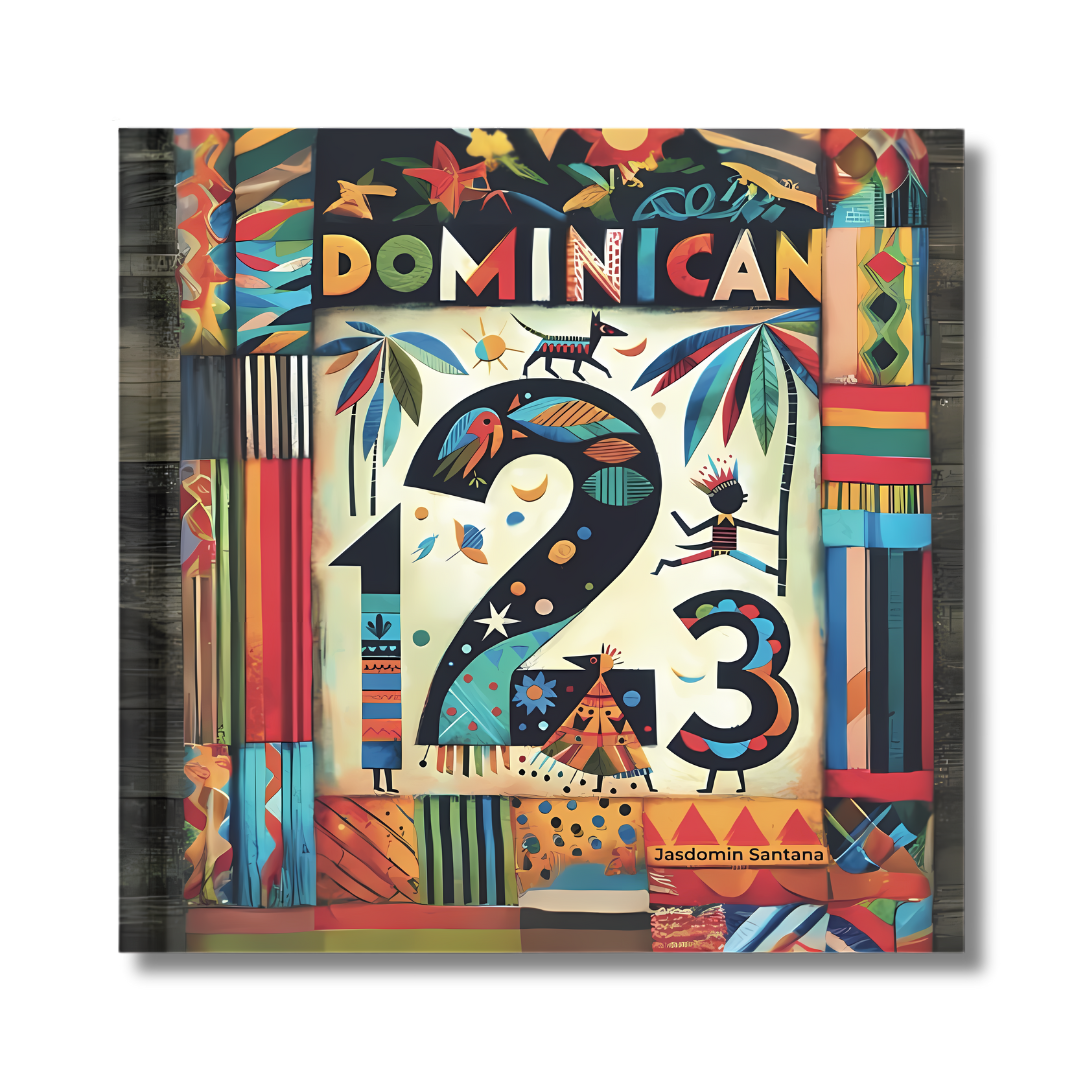
Dominican 123 by Jasdomin Santana
Price: $14.99 | (ideal intro book for babies)
Dominican 123 is the first bilingual counting book built entirely around Dominican life. Little learners count their way through iconic Dominican scenes, foods, and characters all in a warm, engaging format that works on repeat reads. The simple structure, number, word, illustration is exactly what a developing brain needs at this age.
This is one of the most-recommended books for Dominican babies on the shelf.
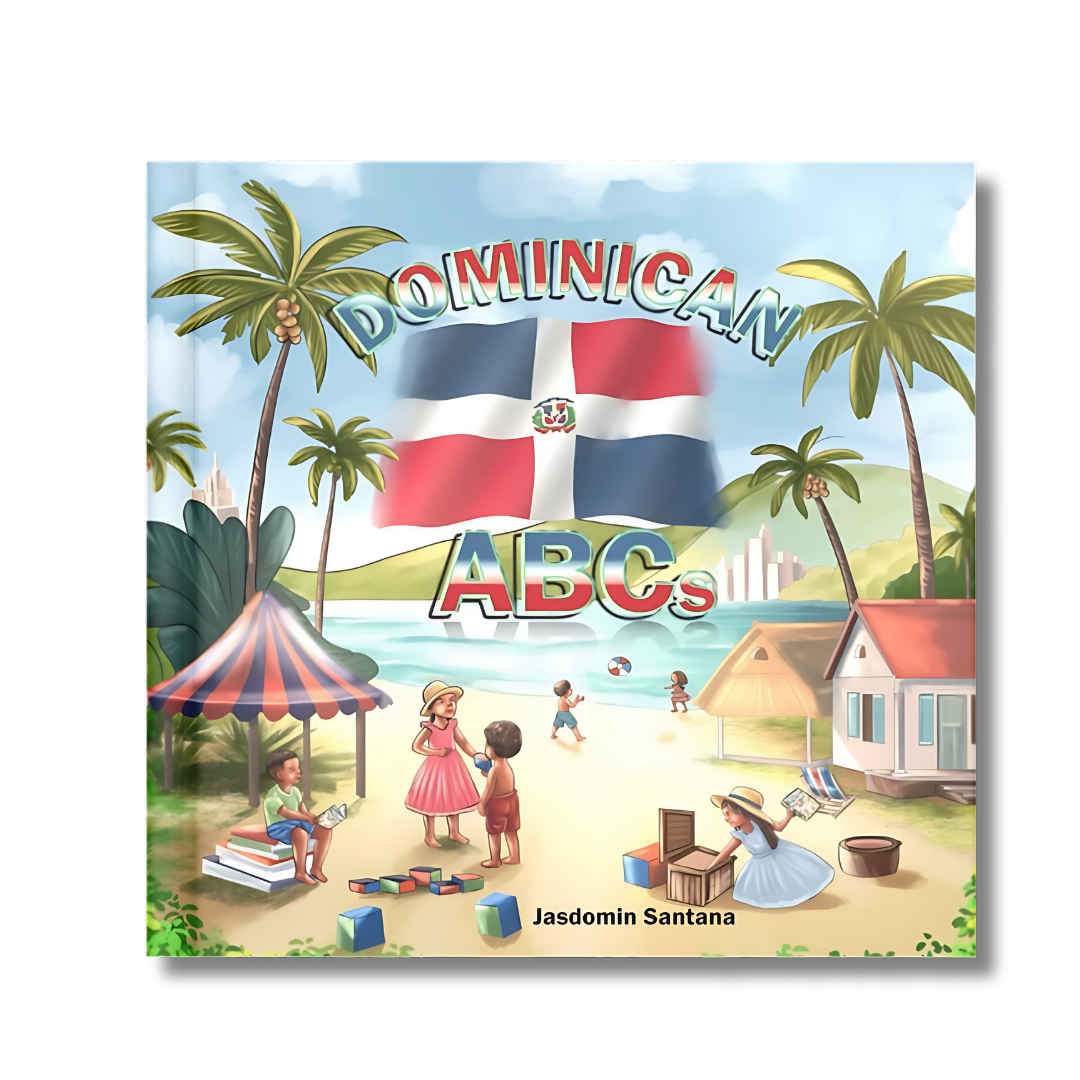
Dominican ABCs by Jasdomin Santana
Price: $14.99 | Best for Ages 18 months +
"A is for Aguacate." Dominican ABCs teaches the alphabet through cherished Dominican words and phrases, making every letter a cultural connection. You can introduce this one as early as 18 months as a picture-pointing book, and by age 2–4 it becomes an alphabet learning tool your child will actively engage with.
Featured on PBS and used in ESOL classrooms, this title belongs in every Dominican bilingual library from day one.
Add a personalized book signing (+$5.00) for a baby shower or first birthday gift.
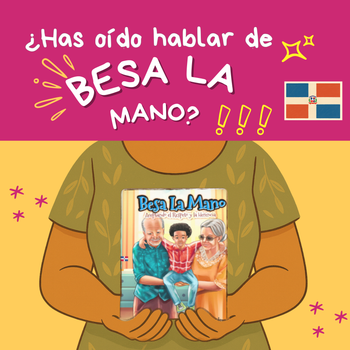
Besa La Mano by Jasdomin Santana
Price: $14.99 | Best for Ages 2–8 (read aloud from age 2)
Besa la mano tells the story of Luis and his journey to his family's homeland and the beautiful Dominican custom of Besando La Mano. Parents can read it aloud to toddlers from age 2, narrating the illustrations and introducing key cultural phrases in Spanish.
This book starts conversations about respect, heritage, and belonging that carry into childhood and beyond.
Mangú Con Los Tres Golpes by Jasdomin Santana
Price: $14.99 | Best for Ages 4–8 (read aloud from age 2)
The most beloved Dominican breakfast becomes a cast of vibrant Spanglish characters. Plantain, Salami, Fried Egg, and Fried Cheese navigate a new school together bonding over shared heritage and the comfort of the familiar.
For babies and toddlers, read this one at meal times. There is something deeply connective about hearing the words mangú, salami, and plátano in a book while those same foods sit on the table in front of them. Food is culture, and culture starts early.
Colors of Quisqueya Coloring Book by Jasdomin Santana
Price: $14.99 | Best for Ages 2–10 (introduce at age 2)
Thirty-one unique coloring pages, each paired with a positive affirmation in English and Spanish. Colors of Quisqueya is the first bilingual coloring book designed specifically for Dominican children, and it belongs in the library for when your baby grows into a creative toddler.
Introduce it at age 2 with simple guided coloring. By age 5, children can read the affirmations alongside you. It teaches vocabulary, pride, and self-expression all at once and it gives you a quiet afternoon activity that is never generic.
How to Build the Library Over Time
A bilingual Dominican library grows with your child. Here is a practical approach by stage:
Birth to 12 months: Focus on touch-and-feel and high-contrast board books. Read aloud in both English and Spanish, even if the book is only in one language. Your voice and your tone are the curriculum at this stage.
12 to 24 months: Introduce Dominican 123 and Dominican ABCs. Read them repeatedly, toddlers want the same book read three times in a row, and that is exactly how language patterns form.
Ages 2 to 3: Add Besa La Mano and Mangú Con Los Tres Golpes as read-aloud stories. Pause on each page and talk about the illustrations. Ask questions in both languages: ¿Qué ves aquí? What do you see here?
Ages 3 and up: Introduce the Colors of Quisqueya coloring book, the Tiny Dominican Explorer activity book, and longer picture books. Pair books with the Tiny Dominican Explorer YouTube channel for a multi-sensory bilingual experience.
Shop the full collection at jasdomin.com
Tips for Reading Aloud in Two Languages
The library is only as powerful as how you use it. These strategies work for Dominican families at every stage:
Read in the language you speak most naturally. Authenticity matters more than perfection. If you are more comfortable in Spanish, read in Spanish. If English is your dominant language, read in English and point to Spanish words on the page.
Do not translate mid-sentence. Finish a sentence in one language before repeating it in another. This helps babies learn that both languages are complete systems, not halves of one.
Let the illustrations carry the story. You do not have to read every word. Pointing at pictures and naming them — plátano, plantain; güira — is its own form of bilingual instruction.
Make it a ritual. Bedtime reading in two languages becomes part of your child's daily world. Consistency over a week beats intensity over one evening.
Invite abuelos and family elders to read aloud. The most powerful bilingual instruction a child receives is hearing their heritage language spoken with love by the people who shaped it.
Building bilingual books for Dominican babies is not just about reading but also about raising children who know where they come from and feel proud of it in both languages. Start small. Stay consistent. And let Quisqueya live on your bookshelf from day one.
¿Lista para dominicanizar la biblioteca? Pa'lante.
Browse the full Jasdomin Santana collection at jasdomin.com.

