


If you grew up in a Dominican household, you already know: we don't do just one Mother's Day.
There's the American Mother's Day (second Sunday of May), brunch reservations, cards from school, kids presenting breakfast in bed. And then, a few weeks later, there's Día de las Madres as observed in the Dominican Republic, the last Sunday of May, with deeper roots, a national hymn, and the kind of family gathering that takes all weekend to recover from.
In 2026, that means Dominican-American families get to celebrate the mamas in their lives on May 10 AND May 25.
For families raising Dominican-American kids, both dates matter and both offer something real. Here's everything you need to know about Dominican Mother's Day traditions, how to bring them home for your children, and how to make the holiday meaningful no matter which side of the diaspora you're celebrating on.
When Is Dominican Mother's Day?
In the United States, Mother's Day falls on the second Sunday of May. In the Dominican Republic, Día de las Madres is observed on the last Sunday of May, a date shared with countries including Haiti, France, and Sweden.
For Dominican-Americans, this creates a genuinely beautiful tradition: families often celebrate twice. The first celebration tends to follow American customs: gifts, flowers, brunch. The second, later in May, tends to feel more distinctly Dominican: a bigger gathering, more food, more music, and the kind of reverence for maternal figures that runs deep in Dominican culture.
Both dates give families with kids a chance to honor mothers in ways that connect to heritage and culture, not just calendar logistics.
How Dominicans Celebrate Mother's Day
Mother's Day in the Dominican Republic isn't a light occasion. It's one of the most important family holidays of the year, on par with Christmas for many families.
Some of the most recognizable traditions include:
The Himno a las Madres
One of the most distinctive parts of Dominican Mother's Day is the "Himno a las Madres," the Mother's Hymn. It's a song that most Dominicans of a certain generation learned in school and can still recite word for word. The lyrics speak to a mother's love as something that "disguises all your fears," something that protects and endures beyond all else.
Hearing it or singing it with your children carries a weight that no greeting card can match. Look it up on YouTube and play it for your family this year. Watch what happens.
Family Gatherings and Feasting
On Día de las Madres in the Dominican Republic, families gather en masse. Abuela is at the center. The table is full. The meal often includes classics like sancocho, arroz con habichuelas, pollo guisado, and, because it's a celebration, there's almost always pernil or something that's been cooking since the night before.
In Dominican-American homes, this tradition travels. Whether you're in New York or Boston, the instinct to gather everyone under one roof for Día de las Madres is still there.
Flowers, Crafts, and Acts of Service
Kids in Dominican schools often spend the days before Mother's Day making crafts for their moms, handmade cards, painted frames, decorated flowerpots. This tradition carries beautifully into the diaspora. Ask any Dominican-American parent and they'll have a drawer or a shelf filled with years of these small handmade tokens.
The gesture matters more than the price tag. Dominican Mother's Day culture is built on presence and thoughtfulness, not consumption.
What This Looks Like in the Diaspora
For Dominican-American families, Día de las Madres often arrives with an extra layer: the mothers and grandmothers you're celebrating may be back on the island, reachable only by phone call or video chat.
That distance makes the holiday both harder and more meaningful. It's one of the reasons why building cultural memory at home matters so much, so kids understand what they're connected to, even when the geography separates them from it.
Some ways diaspora families keep the tradition alive:
- Cooking a traditional Dominican breakfast together on the morning of Mother's Day (mangú con los tres golpes is a classic choice)
- Video-calling abuela and singing the Himno a las Madres together
- Making a "Mami's Words" book, asking kids to write down or illustrate the phrases their mom uses all the time
That last one is especially meaningful. Those sayings are pieces of cultural identity that children often don't recognize as important until they're grown and find themselves saying the same things to their own kids.
Activities to Do with Kids for Dominican Mother's Day
Whether your children are toddlers or school-age, here are a few ways to make this Mother's Day feel rooted in Dominican culture:
Cook Mangú Together
Start the morning with mangú! it's beginner-friendly, uses just a few ingredients (green plantains, water, salt, onions), and the act of cooking it together becomes a lesson in itself. Talk about what mangú is, where it comes from, and why it's such a central part of Dominican life.
Make a "Sayings" Card
Ask your child to think of three things their mom or abuela always says. Write them down, illustrate them, and present the card on Mother's Day morning. Simple, personal, and genuinely irreplaceable as a keepsake.
Read Together
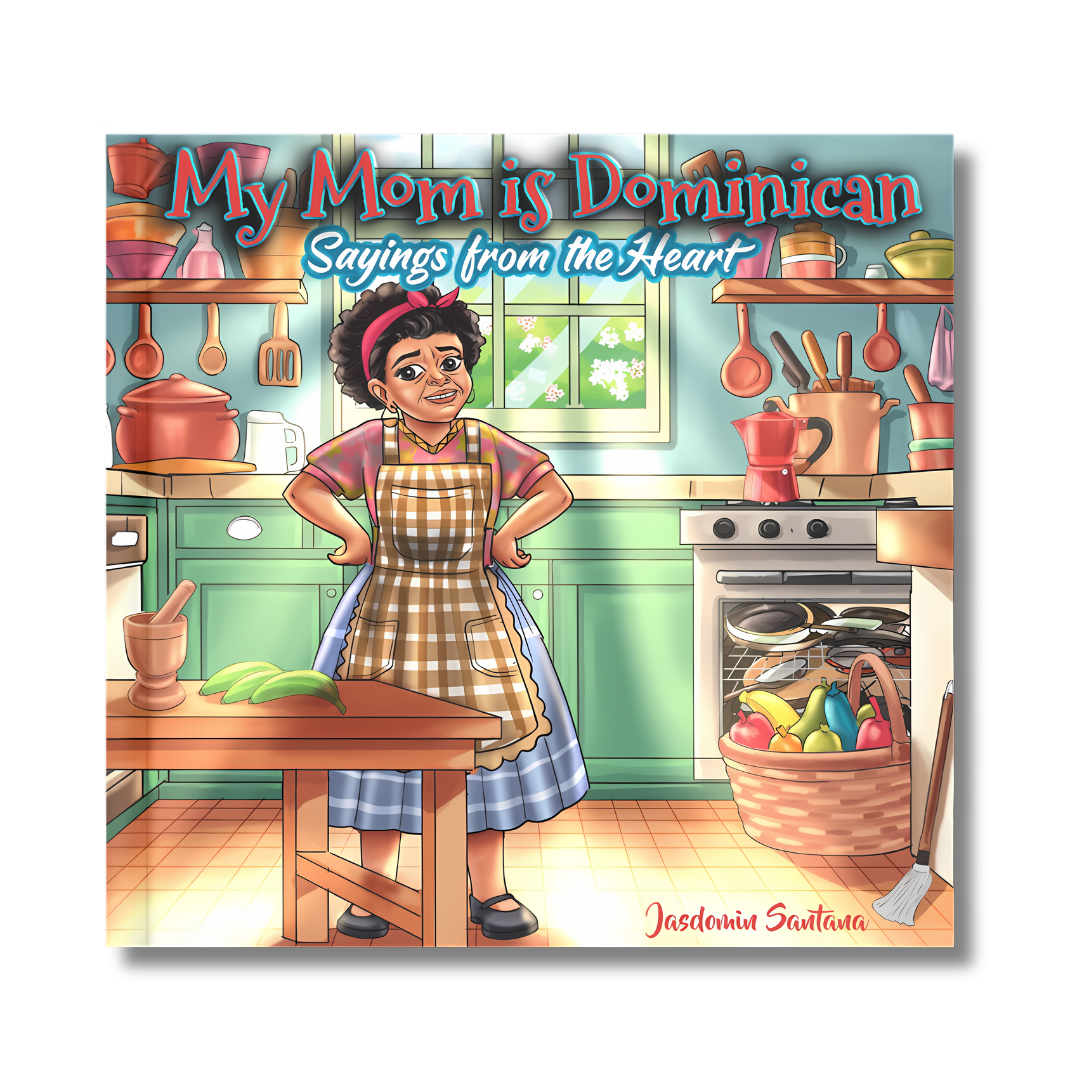
Books that center Dominican motherhood and culture turn the holiday into a conversation starter. "My Mom is Dominican: Sayings From the Heart" by Jasdomin Santana is written specifically for this moment, it's full of the phrases, the warmth, and the cultural pride that only a Dominican mama brings. Reading it together on Mother's Day morning turns a book into a ritual.
Play the Himno a las Madres
Look it up. Play it for the kids. Let them hear what their family's version of Mother's Day sounds like.
The Bigger Picture: What Día de las Madres Teaches Kids
The way Dominican culture honors motherhood is worth preserving in the next generation, not just as a holiday, but as a value.
Dominican mothers are often the cultural anchors of their families. They're the ones who keep the language alive, who make sure the food is still being made the old way, who hold family memory across decades and across oceans. Día de las Madres is a moment to name that out loud, to tell kids: the woman you call Mom is carrying something enormous, and you carry it too.
For Dominican-American kids especially, that message lands differently. Their mothers are often raising them in a culture different from the one they were raised in... translating, adapting, and preserving all at the same time. That deserves more than one Sunday a year.
Celebrate with Books That Reflect Your Family
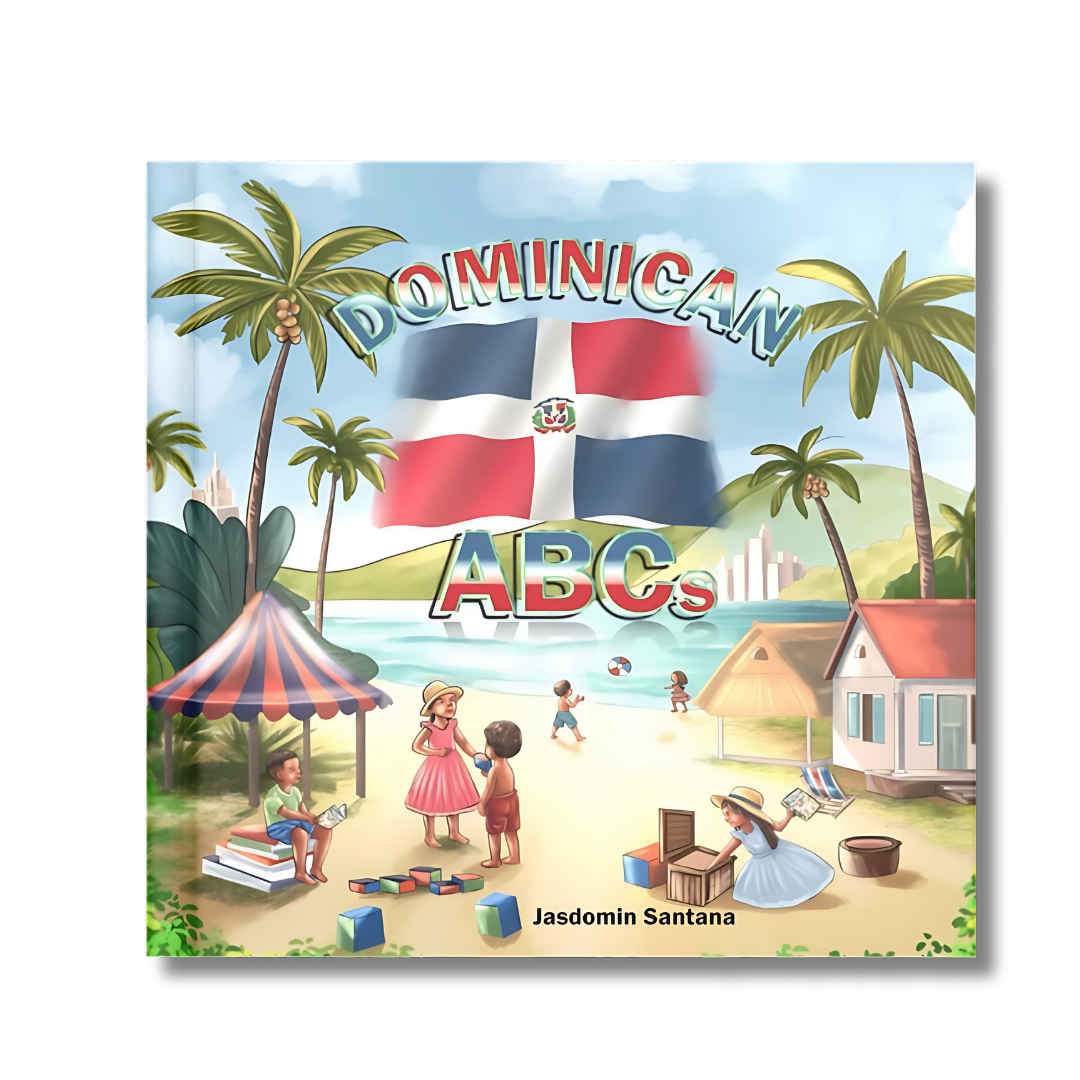
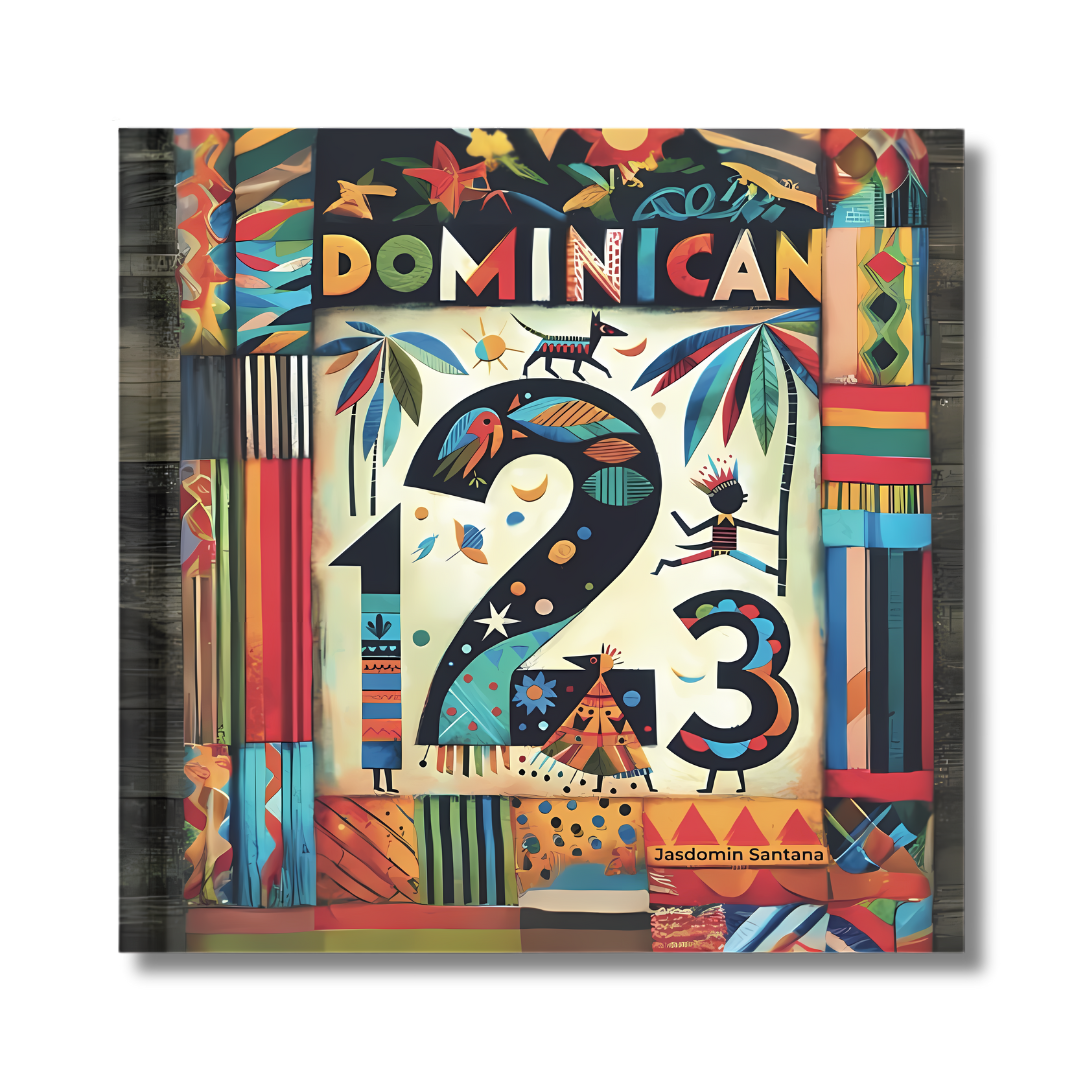
If you're looking for bilingual books that honor Dominican motherhood and culture for your kids, the Jasdomin Santana collection has several titles worth building into your family's library.
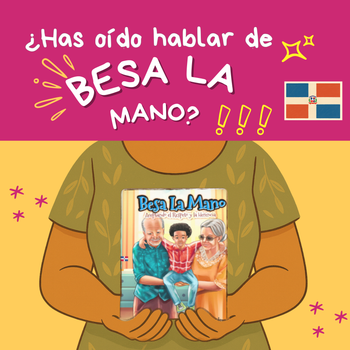
"My Mom is Dominican: Sayings From the Heart" captures the humor, love, and cultural identity of Dominican mothers in a way that resonates with both kids and adults. "Mangú Con Los Tres Golpes" brings the food traditions of Dominican homes to life for young readers. And "Besa La Mano" explores the deep cultural value of respect — the kind that gets passed down from parents and grandparents in Dominican households every single day.
Browse the full collection at www.Jasdomin.com and this Mother's Day, give a gift that celebrates where your family comes from.
¡Feliz Día de las Madres! 🇩🇴

