


¿Sabes cuánto sabes sobre la República Dominicana? / How much do you know about the Dominican Republic?
Whether your family is from the island, your students have Dominican roots, or you're just starting to explore this incredible Caribbean country — this guide has everything kids need to know. From the highest mountain in the Caribbean to the only country with a Bible on its flag, the Dominican Republic is full of surprises.
Let's go! ¡Vamos!
TLDR
- The Dominican Republic sits on the island of Hispaniola in the Caribbean and shares the island with Haiti.
- It gained independence on February 27, 1844.
- The capital, Santo Domingo, is the oldest European city in the Americas.
- National symbols include the Cigua Palmera bird, the Bayahibe Rose flower, and the rare blue stone Larimar.
- The national music and dance is merengue, and the national sport is baseball.
- Famous Dominicans include David Ortiz, Pedro Martínez, and Oscar de la Renta.
Quick Facts Snapshot
| Fact | Answer |
|---|---|
| Official Name | República Dominicana |
| Capital City | Santo Domingo |
| Population | ~11.3 million |
| Official Language | Spanish |
| Currency | Dominican Peso (DOP) |
| Independence Day | February 27, 1844 |
| National Sport | Baseball / Béisbol |
| National Music | Merengue |
| National Bird | Cigua Palmera (Palm Chat) |
| National Flower | Flor de Bayahibe |
| National Stone | Larimar |
| Location | Eastern two-thirds of Hispaniola, Caribbean |
Where Is the Dominican Republic?
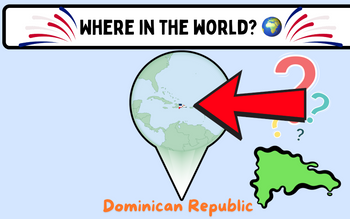
The Dominican Republic (La República Dominicana) sits on an island called Hispaniola, right in the Caribbean Sea. The island is between Cuba to the west and Puerto Rico to the east.
The DR shares Hispaniola with its neighbor Haiti. Haiti occupies the western third of the island, and the Dominican Republic takes up the eastern two-thirds. Together, they make Hispaniola the most populated island in the Caribbean.
The country covers 48,442 km² (about 18,699 square miles) — making it the second largest country in the Caribbean. It has four mountain ranges, river valleys, desert-like areas in the southwest, and some of the most beautiful beaches in the world.
Fun geography word to know: Hispaniola comes from "La Isla Española," the name Christopher Columbus gave the island when he arrived in 1492. Source: Britannica Kids
History for Kids
The Taíno People
Long before Columbus sailed across the Atlantic, the island of Hispaniola was home to the Taíno people. The Taíno were skilled farmers, fishers, and artisans who lived in villages led by a chief called a cacique. Many everyday Spanish words we still use, including hamaca (hammock), huracán(hurricane), and barbacoa (barbecue), come from the Taíno language.
Columbus Arrives (1492)
On December 5, 1492, Christopher Columbus and his crew became the first Europeans to land on the island. Columbus named it La Isla Española, later called Hispaniola. A few years later, Santo Domingo became the first Spanish settlement in the Americas and it still stands today as the oldest continuously inhabited European city in the Western Hemisphere.
The Fight for Independence
After centuries of Spanish and French rule, and 22 years under Haitian control, a group of patriotic Dominican heroes decided it was time for freedom. On February 27, 1844, Juan Pablo Duarte, Francisco del Rosario Sánchez, and Ramón Mella known as "Los Trinitarios" led the fight for independence. That date is still celebrated as Dominican Independence Day every year. Source: Embassy of the Dominican Republic
Spanish/English vocabulary:
- Independencia = Independence
- Patria = Homeland
- Libertad = Freedom
National Symbols
La Bandera (The Flag)
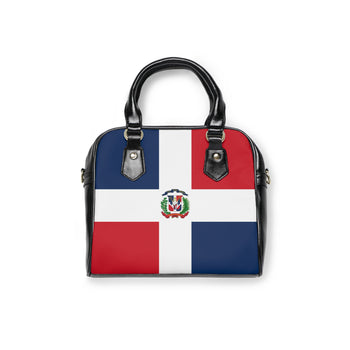
The Dominican flag is red, blue, and white with a cross dividing it into four sections. At the center sits the national coat of arms — and inside that coat of arms? A Bible. The Dominican Republic is the only country in the world with a Bible on its national flag. The Bible is open to the Gospel of John 8:32: "Y la verdad os hará libres" / "And the truth shall set you free." Source: Simply Dominican
La Cigua Palmera (National Bird)
The national bird of the Dominican Republic is the Cigua Palmera, also known as the Palm Chat. It's a small, social bird that lives almost exclusively in palm trees. The coolest thing? The Cigua Palmera is found nowhere else on Earth except Hispaniola. It builds huge communal nests that entire colonies share together, a perfect symbol for a culture that values family and community.
La Flor de Bayahibe (National Flower)
The national flower of the Dominican Republic is the Bayahibe Rose (Leuenbergeria quisqueyana, formerly Pereskia quisqueyana), designated in 2011. It is a rare, endangered, and unique cactus species that blooms with pink, rose-colored flowers and features leaves.
Larimar (National Stone)
Larimar is a rare blue gemstone found in only one place in the world: the Dominican Republic. It forms in the mountains of the Barahona region and gets its ocean-blue color from volcanic activity. Some people call it the "Caribbean gemstone" or "Atlantis Stone." Dominican artisans craft it into jewelry, and it's one of the most unique things you can bring home from the island. Source: Caribbean Biodiversity Fund
Amber
The DR is also one of the world's top sources of amber, ancient fossilized tree resin. Dominican amber is special because it sometimes contains perfectly preserved insects and plant material from millions of years ago. Scientists have found spiders, lizards, and even feathers trapped inside!
Food and Drink
Food is central to Dominican culture, and the flavors are unforgettable.
La Bandera Dominicana (The Dominican Flag)
The most iconic meal in Dominican households is La Bandera Dominicana "the Dominican flag." It's white rice, red beans (habichuelas), and stewed chicken or meat. Just like the flag, it's built from the colors of national pride.
Mangú
Mangú is mashed green plantains, usually eaten for breakfast. The most beloved version is mangú con los tres golpes — mangú served with fried salami, fried egg, and fried cheese. If you've never had it, you're missing out! Jasdomin even wrote a whole book about it: Mangú Con Los Tres Golpes.
Sancocho
Sancocho is a rich, hearty stew made with multiple types of meat, root vegetables, plantains, and herbs. It's the dish families make for big celebrations, think Christmas, birthdays, and gatherings. Every family has their own recipe.
Morir Soñando
The name means "to die dreaming," and one sip explains why. Morir Soñando is a cold drink made from orange juice and milk, blended together to create a creamy, tropical treat. It's a Dominican classic found at breakfast tables and street carts across the island. Jasdomin even wrote a whole book about it in English and Spanish: Morir Soñando: La Tejedora de Sueños
Music and Dance
Merengue
Merengue is the national music and dance of the Dominican Republic. UNESCO added it to the list of Intangible Cultural Heritage of Humanity in 2016. The dance uses quick, side-to-side hip movements and a lively marching step. Instruments include the güira (a metal scraper), the tambora (a double-headed drum), and the acordeón (accordion). Source: Children's Hunger Fund
Bachata
Bachata is another Dominican musical genre that became a global phenomenon. Born in the rural areas of the DR, bachata is more soulful and romantic than merengue, with guitar at its heart. Today, artists like Romeo Santos bring bachata to stages around the world.
Music vocabulary for kids:
- Güira = metal scraper percussion instrument
- Tambora = double-headed drum
- Acordeón = accordion
Sports
Baseball / Béisbol
Baseball is the national sport of the Dominican Republic, and Dominicans play it with serious passion. The DR has produced more MLB players per capita than any other country in the world. Stars like David Ortiz ("Big Papi"), Pedro Martínez, Manny Ramirez, and Juan Marichal all came from the island and changed the game forever.
Every neighborhood in the DR has a baseball field. Kids grow up playing with whatever they can find, sometimes using sticks for bats and rolled-up socks for balls.
Animals
The Dominican Republic is home to some incredible wildlife.
- Cigua Palmera — The national bird, found only on Hispaniola.
- Rhinoceros Iguana — A large, prehistoric-looking lizard native to Hispaniola.
- American Crocodile — Found in Lago Enriquillo, a saltwater lake in the southwest.
- Manatee — These gentle sea mammals swim in the coastal waters.
- Humpback Whales — Every winter, thousands of humpback whales migrate to Samaná Bay to mate and give birth. It's one of the best whale-watching spots in the world!
- Solenodonte — One of the rarest mammals on Earth, this ancient shrew-like creature has existed for over 76 million years and is found only on Hispaniola.
Famous Dominicans
The Dominican Republic has given the world incredible athletes, artists, writers, and changemakers.
- David Ortiz ("Big Papi") — Baseball Hall of Famer and beloved Red Sox legend
- Pedro Martínez — One of the greatest MLB pitchers in history
- Juan Marichal — Hall of Fame pitcher, the "Dominican Dandy"
- Oscar de la Renta — World-renowned fashion designer
- Juan Luis Guerra — Grammy-winning singer and merengue/bachata legend
- Julia Álvarez — Celebrated novelist (How the García Girls Lost Their Accents)
- Junot Díaz — Pulitzer Prize-winning author (The Brief Wondrous Life of Oscar Wao)
Fun and Surprising Facts
- The oldest road in the Americas — Calle Las Damas in Santo Domingo, built in 1502, is the oldest paved street in the Western Hemisphere.
- The highest peak in the Caribbean — Pico Duarte stands at 3,098 meters (10,164 feet), making it the tallest mountain in all of the Caribbean islands.
- Only country with a Bible on its flag — True story! The coat of arms at the center of the Dominican flag features an open Bible.
- Larimar exists only in the DR — This rare blue gemstone forms in just one location on Earth: the mountains near Barahona.
- The Magnetic Hill — Near the town of San Francisco de Macorís, there's a hill where cars appear to roll uphill when in neutral. It's an optical illusion, but it feels like real magic!
- Three Kings Day is bigger than Christmas — Many Dominican families celebrate Día de los Reyes Magos on January 6th as the main gift-giving holiday, a tradition rooted in the Spanish Catholic custom.
- The DR has a lake below sea level — Lago Enriquillo is a saltwater lake that sits 44 meters below sea level and is home to American crocodiles and flamingos.
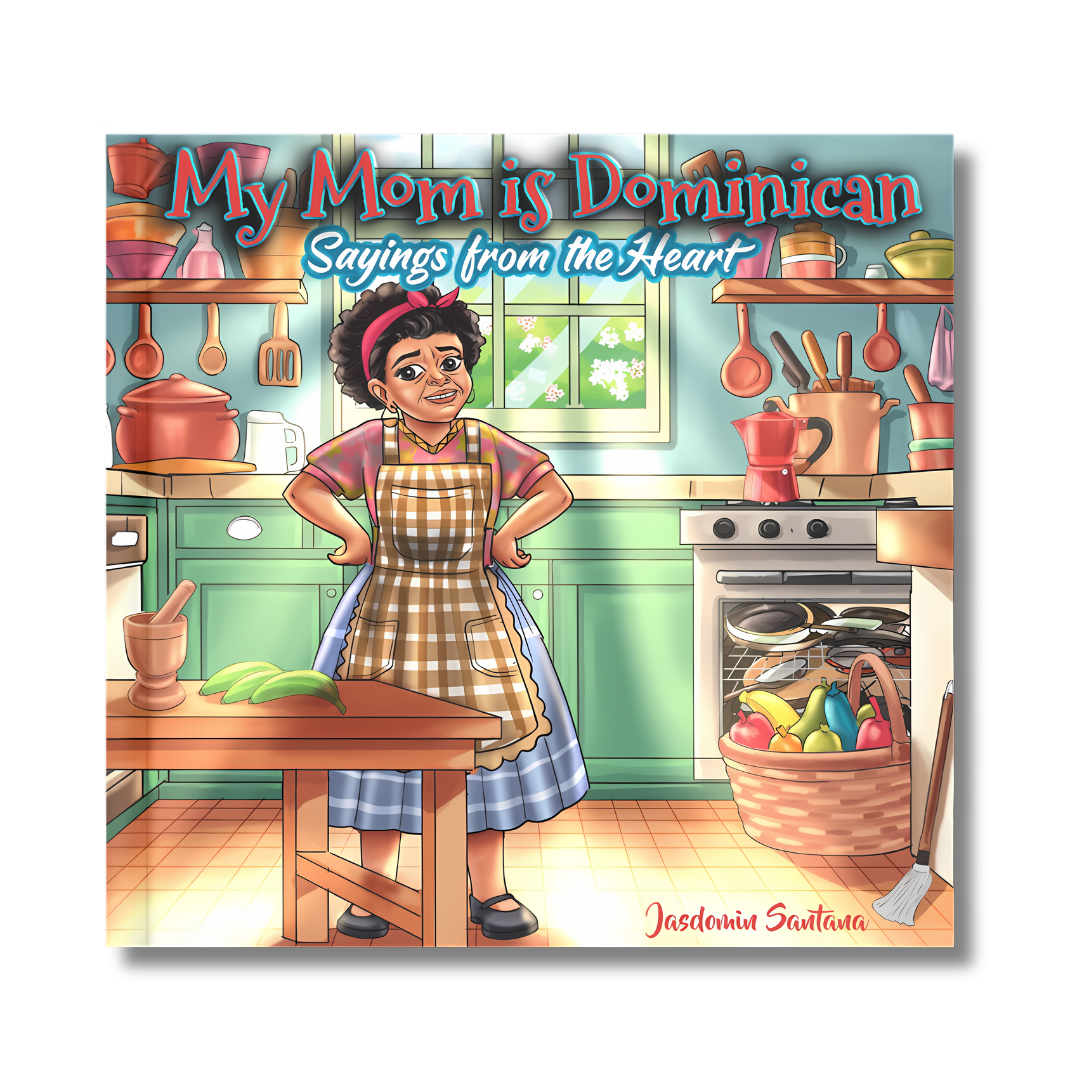
- Dominicans love their dichos — Dominican culture is full of dichos(sayings) passed down through generations. Phrases like "Cada loco con su tema"(everyone has their thing)are part of daily life.
Frequently Asked Questions
What is the Dominican Republic famous for?
The Dominican Republic is famous for its beautiful beaches, merengue music, baseball players, the oldest city in the Americas (Santo Domingo), and unique natural resources like Larimar and Amber.
What language do people speak in the Dominican Republic?
Spanish is the official language. Dominican Spanish has its own rhythm, vocabulary, and expressions that make it distinctly Dominican. Words like "bacano" (cool), "guagua" (bus), and "zafacón" (trash can) are uniquely Dominican.
What is the capital of the Dominican Republic?
Santo Domingo is the capital city. It was founded in 1496 and is the oldest continuously inhabited European city in the Americas. Source: Embassy of the Dominican Republic
When is Dominican Independence Day?
Dominican Independence Day is February 27, 1844. The holiday is celebrated with parades, concerts, and national pride across the island and in Dominican communities around the world.
What do kids in the Dominican Republic eat?
Mangú, rice and beans, plantains (tostones and maduros), chicken, fish, sancocho, and fresh tropical fruits like mangoes, papayas, and guanabana. Breakfast often includes mangú con los tres golpes — mashed plantains with fried salami, egg, and cheese.
Does the Dominican Republic have its own music?
Yes! Merengue is the national music, and bachata is another Dominican genre that became a worldwide phenomenon. Both are danced by Dominicans of all ages, from grandparents to little kids.
What animals live in the Dominican Republic?
The DR is home to the Cigua Palmera bird (found nowhere else on Earth), rhinoceros iguanas, American crocodiles, manatees, and humpback whales that visit Samaná Bay every winter.
Books to Explore Dominican Culture with Kids
The best way to bring Dominican Republic facts to life for kids? Books that reflect their culture back to them.
At Jasdomin Santana Children's Books, every title is designed to celebrate Dominican heritage in a way that feels joyful, familiar, and worth sharing.
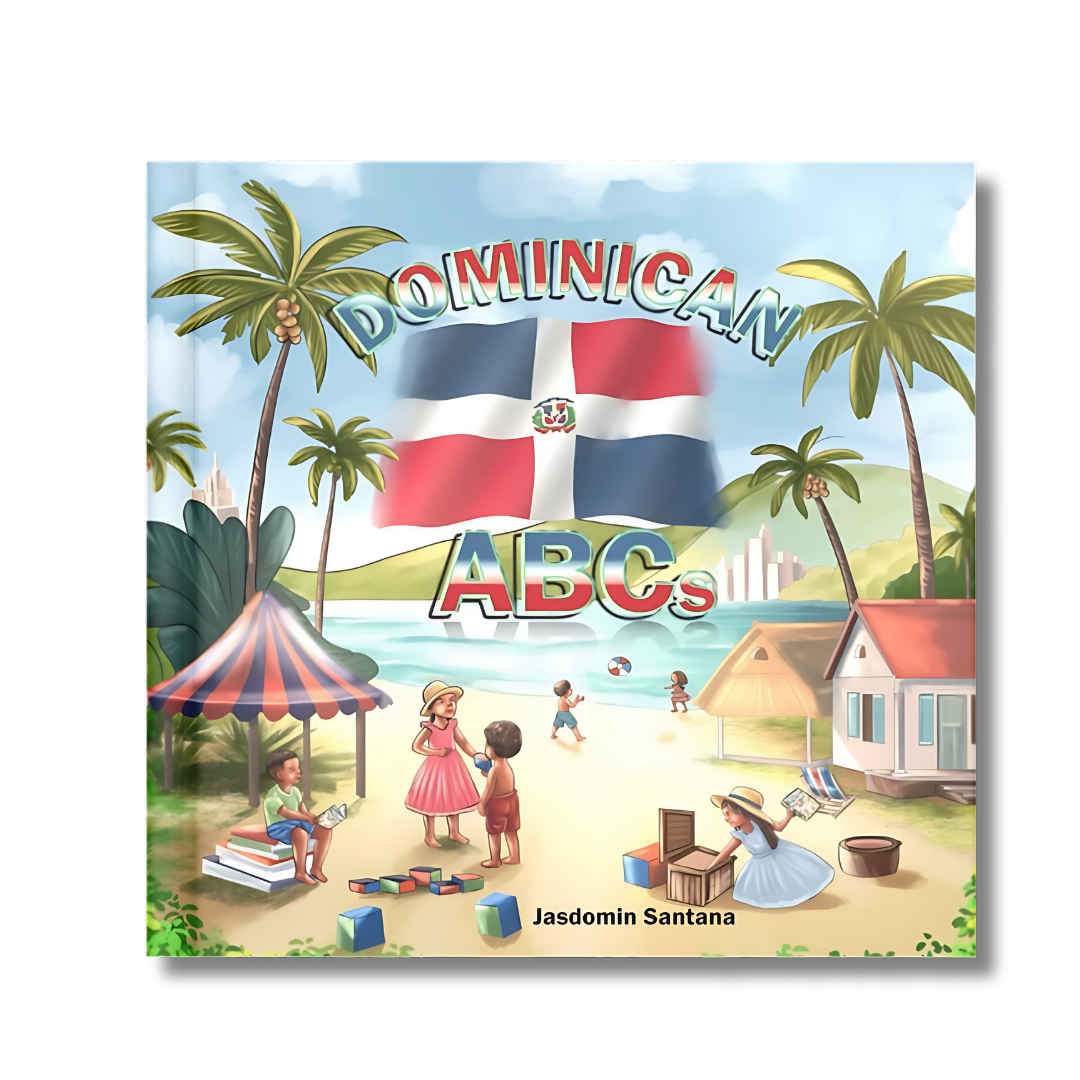
- Dominican ABCs — Learn the alphabet with Dominican words, from A for Aguacate to Z for Zafacón.
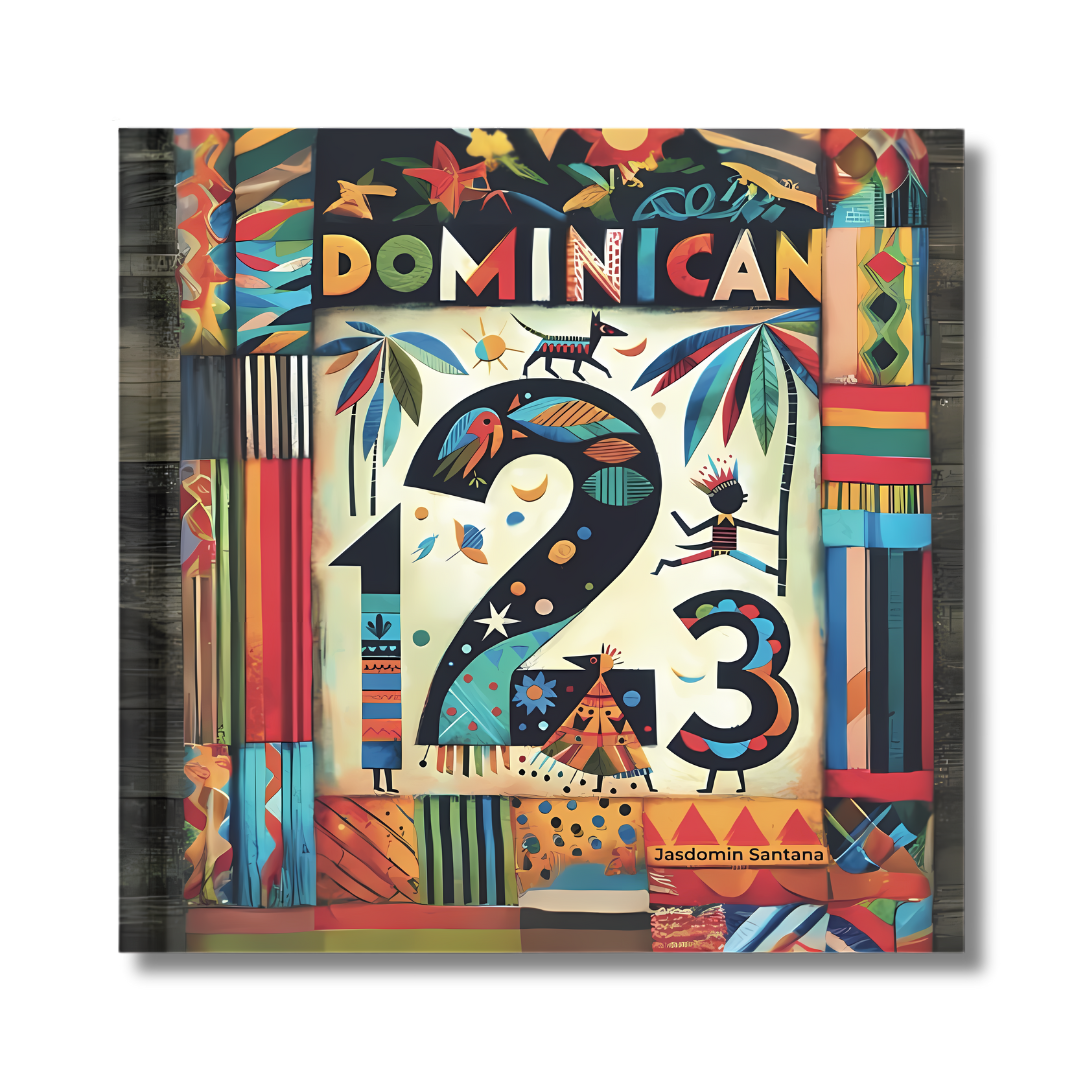
- Dominican 123 — Count from 1 to 25 with güiras, tamboras, plátanos, and carnival masks.
- My First Dominican Book: Touch & Feel — A bilingual sensory board book for babies featuring Dominican cultural symbols.
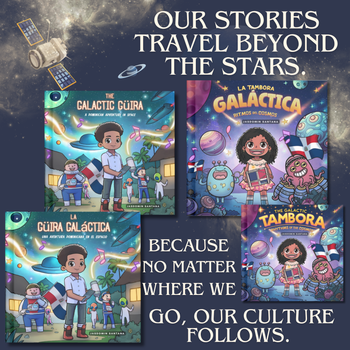
- The Galactic Güira — A sci-fi adventure where Dominican music saves the galaxy.
Browse the full collection and build a Dominican library at home or in the classroom at jasdomin.com.
¡Pa'lante, siempre pa'lante! 🇩🇴
