


Dominican Fairy Tales for Kids: Cultural Stories, Folklore, and Bilingual Magic
Dominican fairy tales for kids draw from a rich blend of Taíno, Spanish, and African storytelling traditions. Legends like La Ciguapa, El Cuco, and the Galipote carry themes of courage, obedience, and transformation—similar to classic Western fairy tales, but rooted in Caribbean culture.
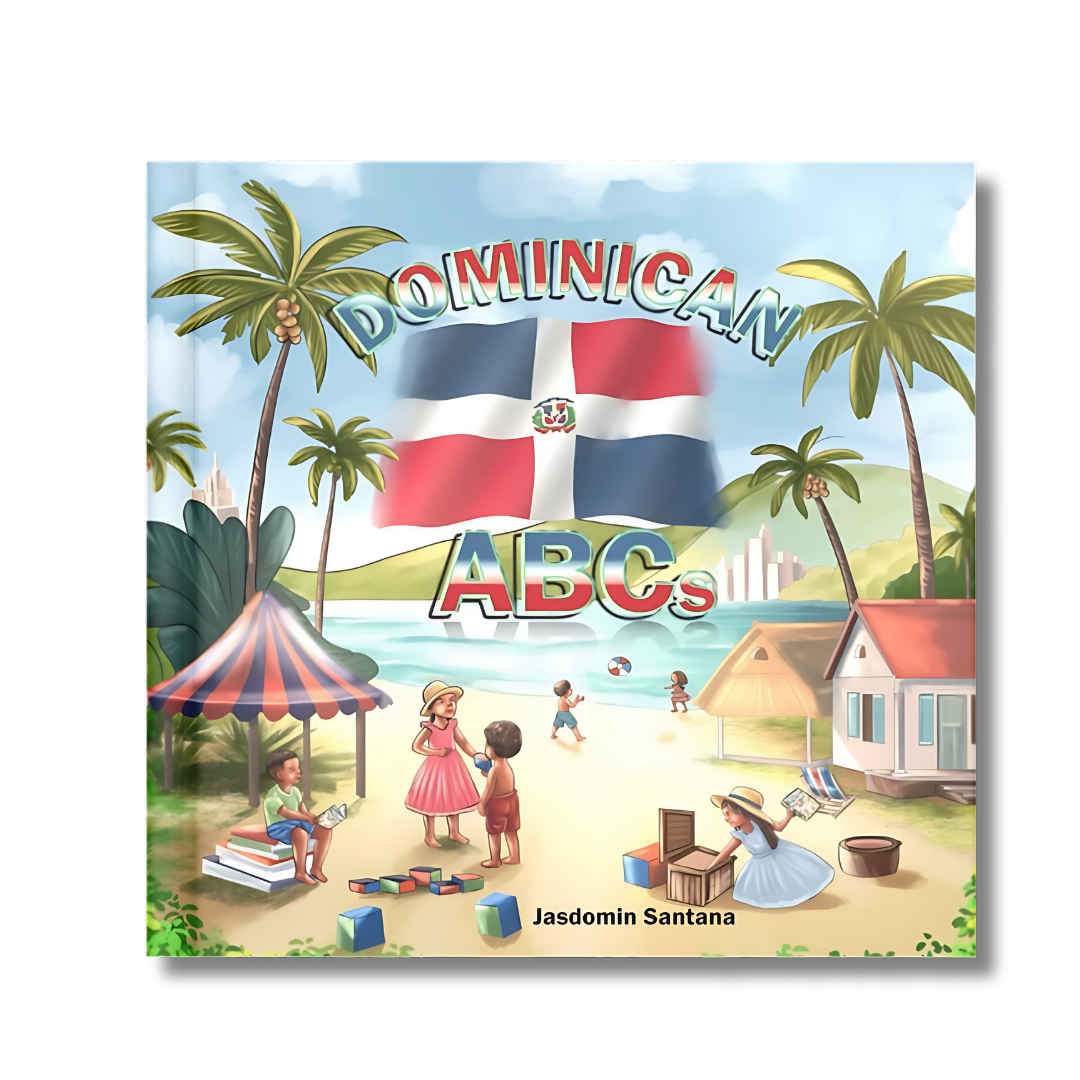
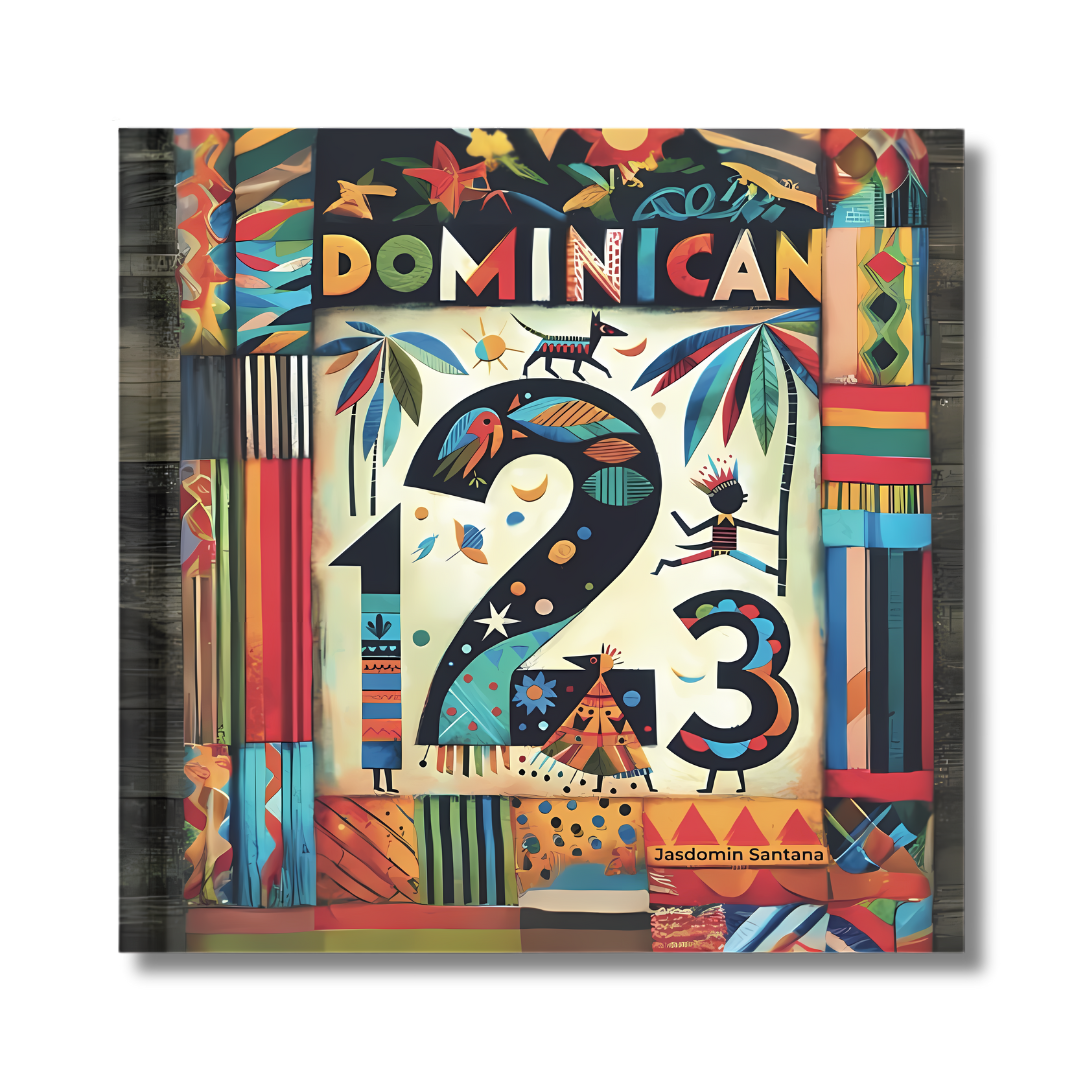
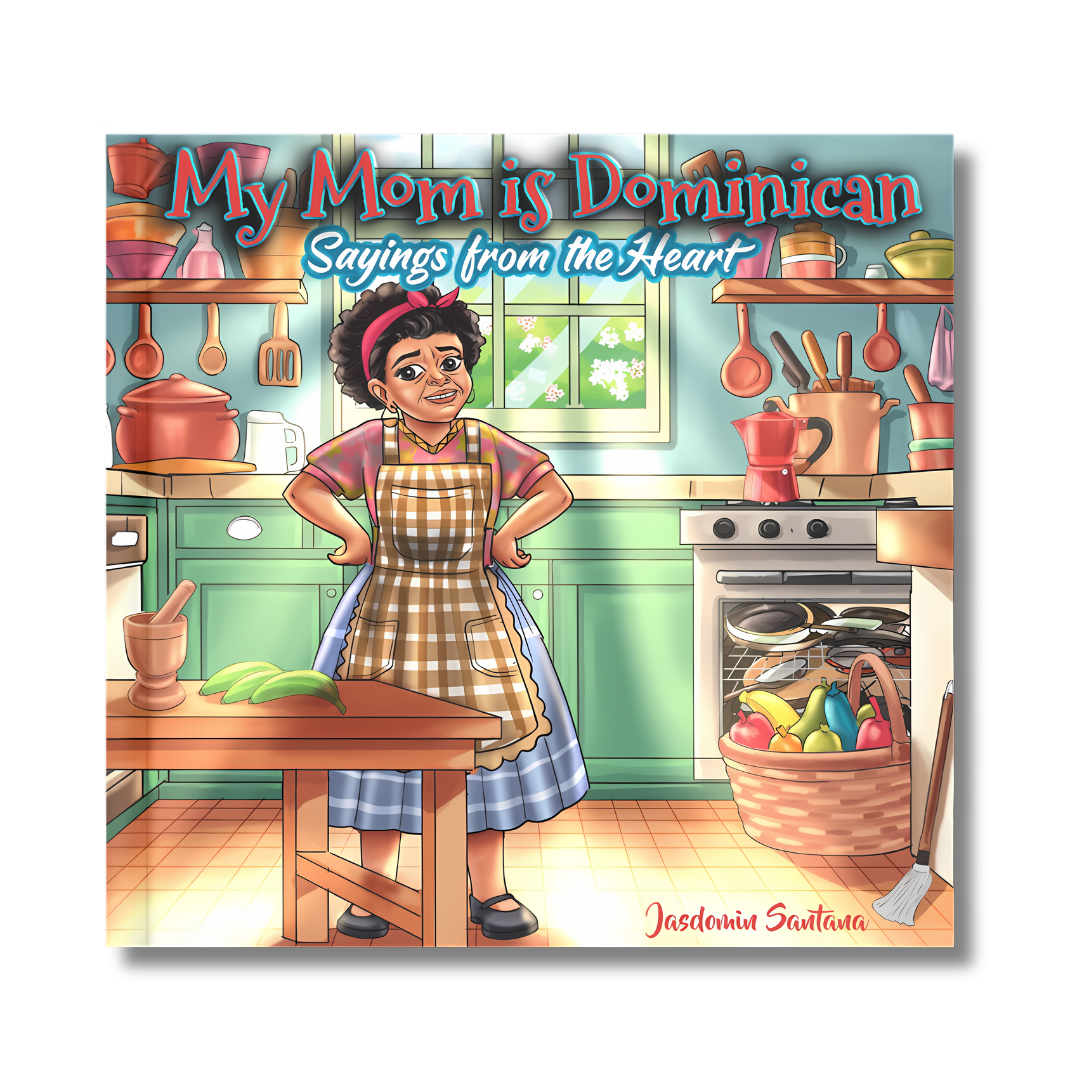
Through books like Cinderalys, La Bella y el Galipote, and El Cuco’s Spooky Visit, Jasdomin Santana doesn’t just retell these stories, she blends Dominican folklore with classic fairy tale structures, creating a new category of Dominican fairy tales that feel both familiar and culturally authentic.
What Are Dominican Fairy Tales?
Dominican fairy tales are stories passed down through generations to teach lessons, preserve culture, and spark imagination. Unlike traditional Western fairy tales, these stories are deeply connected to Dominican life, family traditions, and oral storytelling.
Today, Dominican fairy tales for kids are evolving beyond oral tradition and into bilingual Dominican children’s books that reflect culture, language, and identity.
What makes this new wave different is not just representation, it is reinterpretation.
Instead of simply retelling folklore or translating European fairy tales, these stories blend both worlds, combining familiar fairy tale structures with Dominican culture, language, and identity.
The Cultural Roots of Dominican Fairy Tales
Dominican fairy tales come from a unique mix of cultural influences, drawing from well-documented Caribbean traditions (Source: Simply Dominican).
Taíno Heritage
Indigenous stories filled with nature spirits, zemís, and lessons tied to the land.
Spanish Influence
Classic fairy tale elements like curses, transformation, and heroic journeys.
African Traditions
Oral storytelling, shapeshifting figures, and spiritual symbolism brought through the African diaspora.
This cultural blend is what makes Dominican fairy tales for kids distinct, layered, and deeply meaningful.
Famous Dominican Folklore Characters
La Ciguapa
A mysterious woman with backwards feet who lives in the mountains. She represents nature, mystery, and feminine power.
El Cuco
The Dominican version of the bogeyman, used to teach children about safety and obedience. “¡Viene el Cuco!” is a phrase many kids grow up hearing (Source: Wikipedia – Coco folklore).
The Galipote
A shapeshifter who can turn into animals using magic. This legend reflects deeper cultural beliefs about transformation and identity.
Dominican Fairy Tales vs. Classic Fairy Tales
-
Cinderella → Cinderalys
A fusion of a classic fairy tale with Dominican culture, language, and setting -
Beauty and the Beast → La Bella y el Galipote
A blend of transformation storytelling with Afro-Caribbean folklore -
The Bogeyman → El Cuco
A culturally specific version rooted in Dominican parenting and tradition -
Forest Spirits → La Ciguapa
A uniquely Dominican figure tied to nature and mythology
They are reimagined Dominican fairy tales that center identity and culture.
Why Dominican Fairy Tales for Kids Matter
1. Cultural Representation
Children see themselves reflected in stories, how they look, speak, and live.
2. Language Development
Bilingual Dominican fairy tale books support both English and Spanish learning.
3. Cultural Preservation
Stories that were once only spoken are now written, shared, and passed on.
4. Identity and Confidence
Research shows that culturally relevant books strengthen children’s identity and academic confidence (Source: Small Axe Project).
A New Kind of Fairy Tale: Cultural Fusion Storytelling
Jasdomin Santana’s work is defined by cultural fusion, taking globally recognized fairy tale frameworks and rebuilding them through Dominican folklore, Spanglish dialogue, and lived experience.
It is redefining what a fairy tale can look like.
Dominican Fairy Tale Books for Kids
Cinderalys: The Dominican Princess
A Dominican Cinderella story that blends resilience, culture, and identity.
👉 Explore the book
La Bella y el Galipote
A culturally rich retelling of Beauty and the Beast using Dominican folklore.
👉 Explore the book
El Cuco’s Spooky Visit
A child-friendly introduction to one of the most iconic Dominican legends.
👉 Explore the book
Morir Soñando: The Dream Weaver
A book about the iconic drink Morir Soñando, featuring a scene with La Ciguapa
👉 Explore the book
All titles are available as bilingual Dominican children’s books, perfect for families raising bilingual kids.
How to Introduce Dominican Fairy Tales at Home
- Read bilingual Dominican fairy tale books together
- Compare classic fairy tales with Dominican versions
- Ask kids to create their own folklore-inspired stories
- Share family stories and traditions
Dominican fairy tales for kids go beyond stories, they are living culture.
The Future of Dominican Fairy Tales
Dominican fairy tales are being reimagined, reshaped, and expanded.
A child who loves Cinderella can also love Cinderalys but more importantly, they don’t have to imagine themselves into the story.
They are already part of it.
Ready to explore Dominican fairy tales for kids?
👉 Browse the full collection at jasdomin.com and bring la magia home.

